Can you Compost Cork? A Composting guide for Cork Products
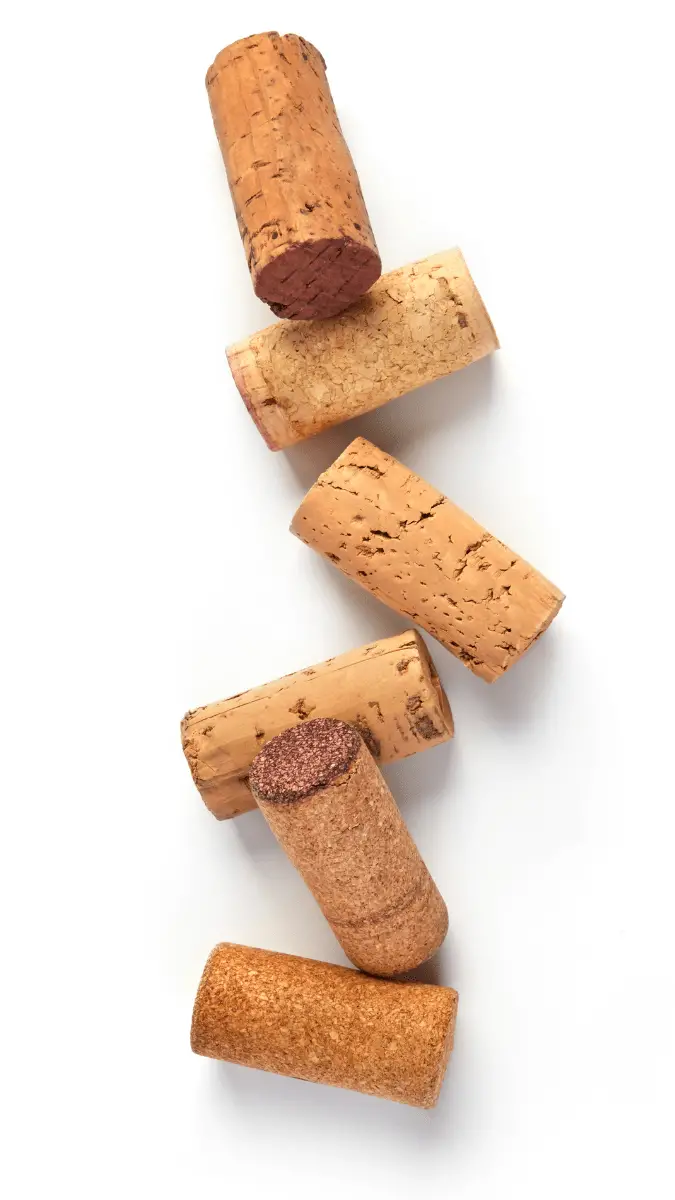
Cork is a versatile natural material, that has been an integral part of human history for centuries. Created from the bark of the cork oak tree (Quercus Suber), primarily found in the Mediterranean region, cork has gained widespread recognition for its unique combination of properties, ranging from its lightweight and buoyant nature to its remarkable elasticity. But what do you do with your cork items once you’ve finished with them? The question that comes up is, can you compost cork? In this post we will teach you all about cork and if it is truly compostable.

What is compost?
Compost is a nutrient-rich, organic material that improves soil health and enhances plant growth. It is formed by the decomposition of organic matter such as leaves, grass clippings, food scraps, and yard trimmings. Compost provides numerous benefits for your garden, making it an essential tool for both home gardeners and professionals.
Why Composting is always a good idea
- Waste Reduction and Environmental Impact: Composting effectively diverts organic waste from landfills, where it decomposes anaerobically, releasing harmful methane gas into the atmosphere. By composting at home, individuals can significantly reduce their carbon footprint and contribute to a cleaner environment.
- Soil Health Enhancement: Compost serves as a natural fertilizer, replenishing essential nutrients like nitrogen, phosphorus, and potassium, which are vital for healthy plant growth. It improves soil structure, aeration, and water retention capacity, creating a thriving environment for diverse plant life.
- Sustainable Gardening Practices: Composting provides gardeners with a renewable and environmentally friendly source of fertilizer, reducing reliance on synthetic chemicals and promoting sustainable gardening practices. It encourages a closed-loop system, where plant waste is transformed into nutrient-rich compost to nourish new plant growth.
- Cost-Effective Solution: Composting offers a cost-effective alternative to purchasing commercial fertilizers, saving money on gardening expenses while nurturing soil fertility. It helps individuals become more self-sufficient in their gardening endeavors.
- Educational Opportunities: Composting provides an excellent opportunity to educate children and adults about the importance of environmental stewardship and the interconnectedness of natural systems. It fosters a sense of responsibility and respect for the environment.

What is Cork?
Cork is a unique natural material derived from the outer bark of the Cork Tree (Quercus Suber), primarily found in the Mediterranean region. It is a lightweight, buoyant, and elastic material with exceptional insulating properties, making it a versatile resource for various applications.
Composition and Characteristics of Cork:
The Cork Trees wood is composed of Suberin, a hydrophobic (water-repellent) substance, and air-filled cells, giving it its distinctive spongy texture and buoyancy. These characteristics contribute to its excellent insulating properties, making it resistant to heat, cold, and sound. Cork is also lightweight, durable, and flexible, making it a versatile material for various uses.
Harvesting and Processing Cork:
Cork wood harvesting is a sustainable process that does not harm the cork oak tree. The bark is stripped every 9-12 years, leaving a smooth layer that regenerates over time. The harvested bark is then processed to remove impurities and transformed into various cork products. This is a sustainable process that keeps the trees alive but we get the benefit of the harvested cork.
How we use Cork Today:
- Wine Corks: (Wine Stopper) Cork is traditionally used to seal wine bottles due to its airtight and elastic properties, preserving the integrity and quality of the wine.
- Insulation: Cork’s superior insulating properties make it an ideal material for thermal insulation in buildings, reducing energy consumption and improving thermal comfort.
- Flooring: Cork flooring is known for its warmth, comfort, and soundproofing properties, making it a popular choice for residential and commercial spaces.
- Shoe Soles: Cork is used in shoe soles due to its shock absorption, lightweight nature, and durability.
- Gaskets and Seals: Cork’s resilience and ability to maintain a tight seal make it suitable for various gaskets and seals in machinery and industrial applications.
- Sporting Goods: Cork is used in baseball bats, fishing rods, and other sporting goods due to its shock absorption and lightweight properties.
- Décor / Home goods: Cork is used in pin boards (cork boards), Cork bottom mugs, etc.
Environmental Benefits of Cork:
- Sustainability: Cork harvesting is a sustainable practice that does not harm the cork oak tree, allowing it to live for centuries.
- Renewable Resource: Cork is a naturally renewable resource, unlike synthetic materials that rely on finite resources.
- Biodegradable: Cork is a biodegradable material that decomposes naturally, reducing environmental impact compared to non-biodegradable materials.
- Carbon Sequestration: Cork oak trees absorb carbon dioxide from the atmosphere, helping to mitigate climate change.

Can you Compost Cork?
Short answer YES! You can compost cork. Long answer not all cork is compostable and we will explain more below. The reason why some cork products are not compostable is because they might contain a small amount of plastic, typically as an additive or coating. For instance, some cork wine stoppers may have a thin plastic lining to ensure a tight seal, while some cork flooring products may have a plastic coating for durability and ease of maintenance.
If you are concerned about the use of plastic in cork products, look for products that are labeled as “natural cork” or “plastic-free cork.” You can also contact the manufacturer to inquire about the specific materials used in their products.
Natural Corks Vs Synthetic Corks
Natural corks and synthetic corks are both used to create many different things, but they have different characteristics and environmental impacts.
Natural corks (Real Cork) are made from the bark of cork oak trees, that are harvested every 9-12 years, and the bark is then processed into cork stoppers and other items. Natural corks are airtight, elastic, and lightweight. They also have a natural resistance to bacteria and mold which makes them ideal for sealing bottles.
Synthetic corks are made from a variety of materials, such as plastic corks, silicone, or glass. They are often cheaper than natural corks, and they can be produced in a variety of shapes and sizes. However, synthetic corks are not as airtight or elastic as natural corks, and are NOT compostable.
Here is a table summarizing the key differences between natural cork and synthetic cork:
| Feature | Natural Cork | Synthetic Cork |
| Material | Bark of cork oak trees | Plastic, silicone, or glass |
| Airtightness | Excellent | Good |
| Elasticity | Excellent | Good |
| Resistance to bacteria and mold | Good | Fair |
| Price | More expensive | Less expensive |
| Environmental impact | Renewable and biodegradable | Non-renewable and may not be biodegradable |
Composting natural corks is a great way to reduce waste and provide your plants with nutrients. Just beware if your cork contains synthetic materials. You will not want to compost any cork material that contains plastics or glass etc.

How to compost natural corks:
- Break down the corks: Natural corks are relatively large and may take a long time to decompose in a compost pile. To accelerate the composting process, break down the corks into small pieces before adding them to the compost bin. You can use a hammer, a sharp knife, or a blender to break down the corks into smaller chunks.
- Choose a composting method: There are two main methods for composting natural corks: open-bin composting and closed-bin composting. Open-bin composting is a simpler method, but it may take longer for the corks to decompose. Closed-bin composting is a more controlled method, and it can help to speed up the composting process.
- Add the corks to the compost bin: Once the corks are broken down, add them to your compost bin. If you are using an open-bin compost pile, simply mix the corks into the pile with other organic materials such as leaves, grass clippings, and food scraps. If you are using a closed-bin compost bin, follow the manufacturer’s instructions for adding materials to the bin.
- Maintain the compost pile: Compost piles need to be moist, aerated, and balanced in terms of green and brown materials. Green materials are nitrogen-rich, while brown materials are carbon-rich. A good ratio of green to brown materials is 2:1. If your compost pile is too dry, add water. If your compost pile is too wet, add more brown materials.
- Monitor the compost pile: The composting process can take several months to a year. Monitor your compost pile regularly to make sure it is moist, aerated, and balanced. You can also check the compost temperature to get an idea of how quickly it is decomposing. The ideal temperature for composting is between 130°F and 160°F.
- Use the compost: Once your compost material is finished, it will be a dark, crumbly material that smells like earth. You can use the compost to amend your garden soil, mulch your plants, or make compost tea.
Tips for composting natural corks:
- Chop the corks into smaller pieces to speed up the decomposition process.
- Mix the corks with other organic materials to provide a balanced food source for the microorganisms in the compost pile.
- Turn the compost pile regularly to aerate it and help the microorganisms break down the materials.
- Monitor the moisture level of the compost pile and add water if it is too dry.
- Be patient – composting takes time, and it may take several months to a year for the corks to decompose fully.
Synthetic wine corks cannot be composted because they are made from non-biodegradable materials such as plastic, silicone, or glass. These materials will not break down naturally in a compost pile, and they can pollute the environment if they leak into landfills.
Natural wine corks, on the other hand can be composted along with other organic materials such as leaves, grass clippings, and food scraps. Composting natural wine corks is a great way to reduce waste and provide your plants with nutrients.
If you have synthetic wine corks, you can recycle them instead of composting them. Many recycling programs accept synthetic wine corks, and some companies specialize in recycling these materials.
Related Posts you may be interested in!
- 10 Weird things to add to your compost bin
- How to Start Composting for Beginners
- Raised Bed Gardening for Beginners

What type of compost bin should you use?
If you are new to composting we are going to help you get started! There are two different ways to compost: open-bin composting and closed-bin composting.
Open-bin composting is a simpler method, but it may take longer for the organic materials to decompose. Open-bin composting piles also known as a compost heap are typically made of wire mesh or wooden pallets, and they allow air and water to circulate freely. This type of composting is best suited for large amounts of organic materials, such as leaves, grass clippings, and yard trimmings.
Closed-bin composting is a more controlled method, and it can help to speed up the composting process. Closed-bin composters are typically made of plastic or wood, and they have a lid to keep in heat and moisture. This type of composting is best suited for smaller amounts of organic materials, such as food scraps and coffee grounds.
Types of composting bins and methods:
- Open-bin composting pile: This is the simplest and most common type of composting method. To create an open-bin composting pile, simply stack organic materials in a wire mesh or wooden pallet bin. The pile should be at least 3 feet wide and 3 feet tall.
- Static pile composting: This method is similar to open-bin composting, but the pile is not turned. Static pile composting is slower than turned pile composting, but it is less labor-intensive.
- Turned pile composting: This method involves turning the compost pile regularly to aerate it and help the microorganisms break down the materials. Turned pile composting is faster than static pile composting, but it is more labor-intensive.
- Tumbler composter: This type of composter is a sealed container that rotates on an axis. Tumbler composters are faster than open-bin or static pile composters, but they are also more expensive.
- Bokashi composting: This is a Japanese method of composting that uses microorganisms to break down organic materials without the need for oxygen. Bokashi composting is faster than other methods, and it can be used to compost food scraps, meat, and dairy products.
- Vermicomposting: This is the process of composting using worms. Vermicomposting is a great way to compost food scraps, coffee grounds, and other organic materials.
What Type of Items made from cork can you compost?

You can compost corks from wine bottles, cork coasters, cork bulletin boards, pretty much any natural cork material. These items are made from the bark of cork oak trees and are therefore biodegradable. They can be composted along with other organic materials such as leaves, grass clippings, and food scraps. Composting natural cork items is a great way to reduce waste and provide your plants with nutrients.
Here are a few common cork items that you can compost:
- Natural wine corks: These corks are made from the bark of cork oak trees and are therefore biodegradable.
- Cork coasters: These coasters are also made from the bark of cork oak trees and can be composted along with other organic materials.
- Cork bulletin boards: Cork board is typically made from a combination of cork bark and MDF or plywood. The cork bark can be composted, but the MDF or plywood cannot.
Composting Tips
- Chop the corks into smaller pieces to speed up the decomposition process.
- Mix the corks with other organic materials to provide a balanced food source for the microorganisms in the compost pile.
- Turn the compost pile regularly to aerate it and help the microorganisms break down the materials.
- Monitor the moisture level of the compost pile and add water if it is too dry.
- Be patient – composting takes time, and it may take several months to a year for the corks to decompose fully.
Learning to compost cork and other natural materials is a valuable practice that not only reduces waste but also enhances soil health, promotes sustainable gardening, and is great for the earth. By embracing composting, individuals, and communities can make a positive impact on the environment while nurturing the growth of thriving gardens.
Happy Gardening!
2 responses to “Can you Compost Cork? A Composting guide for Cork Products”
Leave a Reply

Nestera Chicken Coop

Park Seed
Garden Tower Project
Vego Garden Beds

Botanical Interests
Amazon Favorites!

Hoselink
Web Stories


[…] Cork: Natural Cork only. […]
[…] Can you Compost Cork? […]