How to Grow a Rubber Tree Plant Ultimate care guide
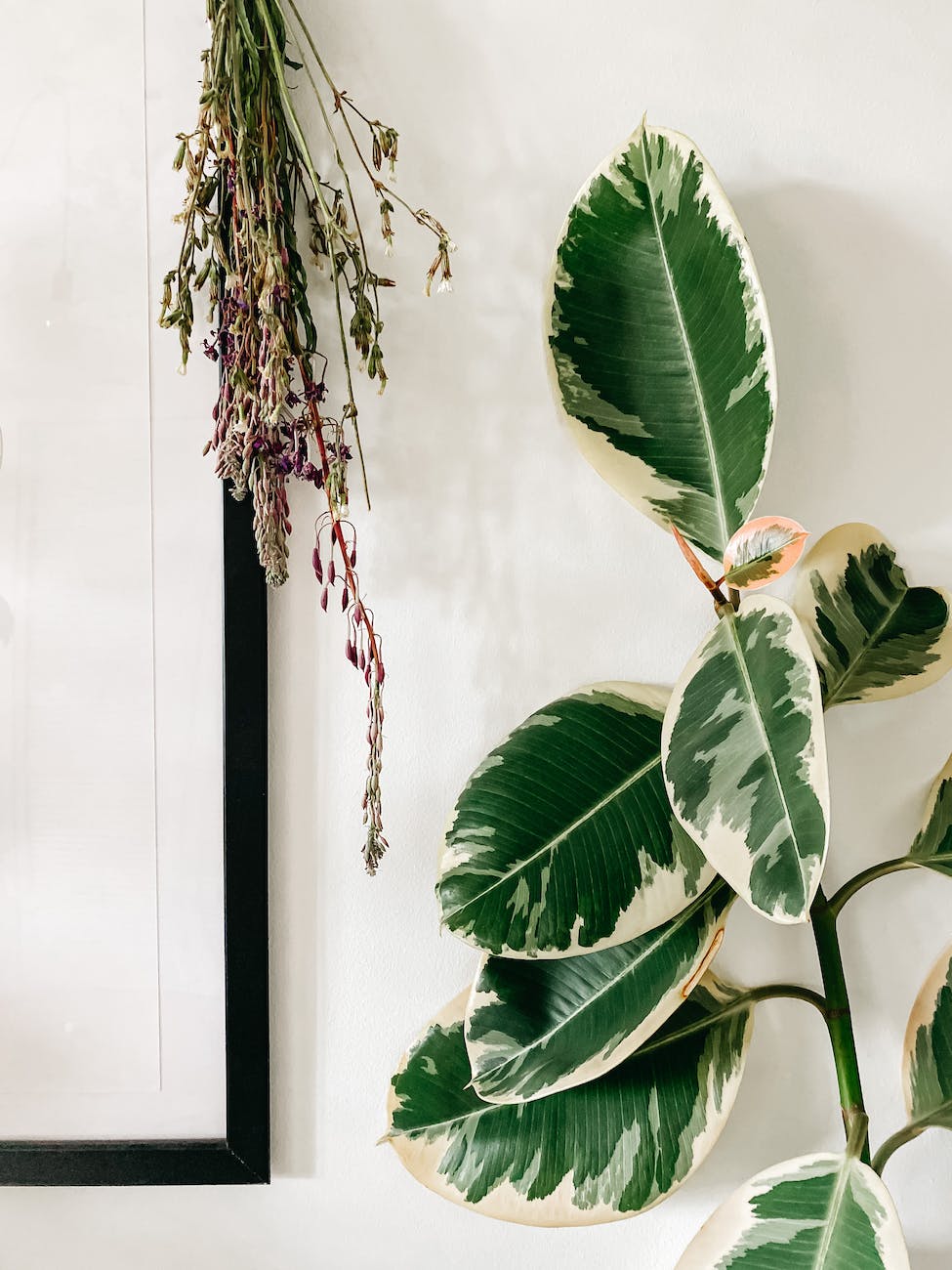
Rubber trees are a type of evergreen tree that is native to the Amazon rainforest. They are known for their milky white sap, which is used to make natural rubber. Rubber trees are also loved for their large, glossy leaves and attractive appearance. They make great statement pieces in homes around the world because of their growth habit and big gorgeous leaves.
Rubber trees are grown in tropical and subtropical regions around the world. They are a major source of natural rubber, which is used in a variety of products, including tires, gloves, and hoses. Rubber trees are also used in the production of other products, such as adhesives, shoe soles, and clothing.
Rubber trees are also a popular ornamental plant, and they are often grown in gardens and homes around the world.

This post contains affiliate links, which means that I may receive a commission if you click on a link and make a purchase. I only recommend products that I truly believe in, and I always disclose my affiliate relationships transparently.
How to Grow a Rubber Tree Plant
Rubber tree plant care
Rubber tree plants are a popular choice as houseplants because of their large, glossy leaves and variety of colors. However, there are a few things you need to know before you grow a rubber tree plant.
*Rubber trees produce a milky sap so when/ if you break or cut the plant it will leak. This sap can be harmful to humans and animals so be careful when handling your plant.*
Light
Rubber tree plants need bright, indirect sunlight when grown indoors. Avoid placing your rubber tree plant in direct sunlight right away, as this can scorch its leaves. Rubber trees can handle direct sunlight as long as you gradually introduce the plant to higher light.
Water
Rubber tree plants should be watered deeply when the top inch of soil is dry. Be sure to allow the excess water to drain out of the pot. Rubber tree plants are susceptible to root rot, so it is important to avoid overwatering. They can also be very forgiving when you forget to water them but don’t wait to long or the foliage may droop and drop off of the plant.
Fertilizer
Rubber tree plants should be fertilized every two weeks during the spring and summer months. Use a balanced fertilizer diluted to half strength. Fertilizing during the fall and winter months is not necessary but you can water with an extremely diluted amount of fertilizer.
Humidity
Rubber tree plants prefer high humidity. If your home is dry, you can help to increase the humidity around your rubber tree plant by placing it on a pebble tray, misting it regularly or the best option adding in a humidifier.
Temperature
Rubber tree plants prefer warm temperatures between 65 and 85 degrees Fahrenheit. Avoid placing your rubber tree plant in cold drafts. If you notice leaf drop check to be sure your plant is in a warm enough space.
Rubber Tree Plant Pests and diseases
Rubber tree plants are susceptible to a few pests and diseases, including spider mites, mealybugs, and scale. Inspect your rubber tree plant regularly for signs of pests or diseases. If you find any pests, treat them immediately with an insecticidal soap or neem oil.
Rubber Tree Plant Repot
Rubber tree plants need to be repotted every two to three years. Repot your rubber tree plant in a pot that is one size larger than the current pot. Use a well-draining potting mix and a pot with a drainage hole.

Rubber Tree Propagation
Rubber tree plants can be propagated from stem cuttings. To propagate a rubber tree plant, simply cut a healthy stem from the plant and remove the lower leaves. Dip the cut end of the stem in rooting hormone and then plant it in a well-draining potting mix. Keep the soil moist and the cutting in a warm, bright location. Within a few weeks, the cutting should root and begin to grow new leaves. You can also root rubber tree plants in water. Allow the sap to dry up then place in water.
How to Grow a Rubber Tree faster
We all want our plants to grow as fast as possible but it doesn’t always happen. The key to getting your rubber tree to grow fast is providing consistent care by meeting the plants needs. Give it the best lighting, humidity, soil, pot, fertilizer that you can then, fertilize and water regularly. That’s it.
Common Rubber Tree Plant Problems
- Yellow leaves: Yellow leaves can be a sign of overwatering, underwatering, or too much direct sunlight. Check the soil moisture level and adjust your watering schedule accordingly. Move your rubber tree plant to a location with brighter indirect sunlight.
- Brown leaves: Brown leaves can be a sign of underwatering, too much direct sunlight, or pests and diseases. Check the soil moisture level and adjust your watering schedule accordingly. Move your rubber tree plant to a location with brighter indirect sunlight. Inspect your plant for signs of pests and diseases and treat them immediately if necessary.
- Dropping leaves: Dropping leaves can be a sign of underwatering, overwatering, pests and diseases, root rot, lighting changes, temperature changes. Check the soil moisture level and adjust your watering schedule accordingly. Inspect your plant for signs of pests and diseases and treat them immediately if necessary. If you suspect root rot, repot your plant in a new pot with fresh potting mix.
Rubber tree plants can be easy to care for, but these tips can help you keep your plants healthy and happy for years to come.
Happy Gardening

Nestera Chicken Coop

Park Seed
Garden Tower Project
Vego Garden Beds

Botanical Interests
Amazon Favorites!

Hoselink
Web Stories


