Christmas Cactus Care Guide
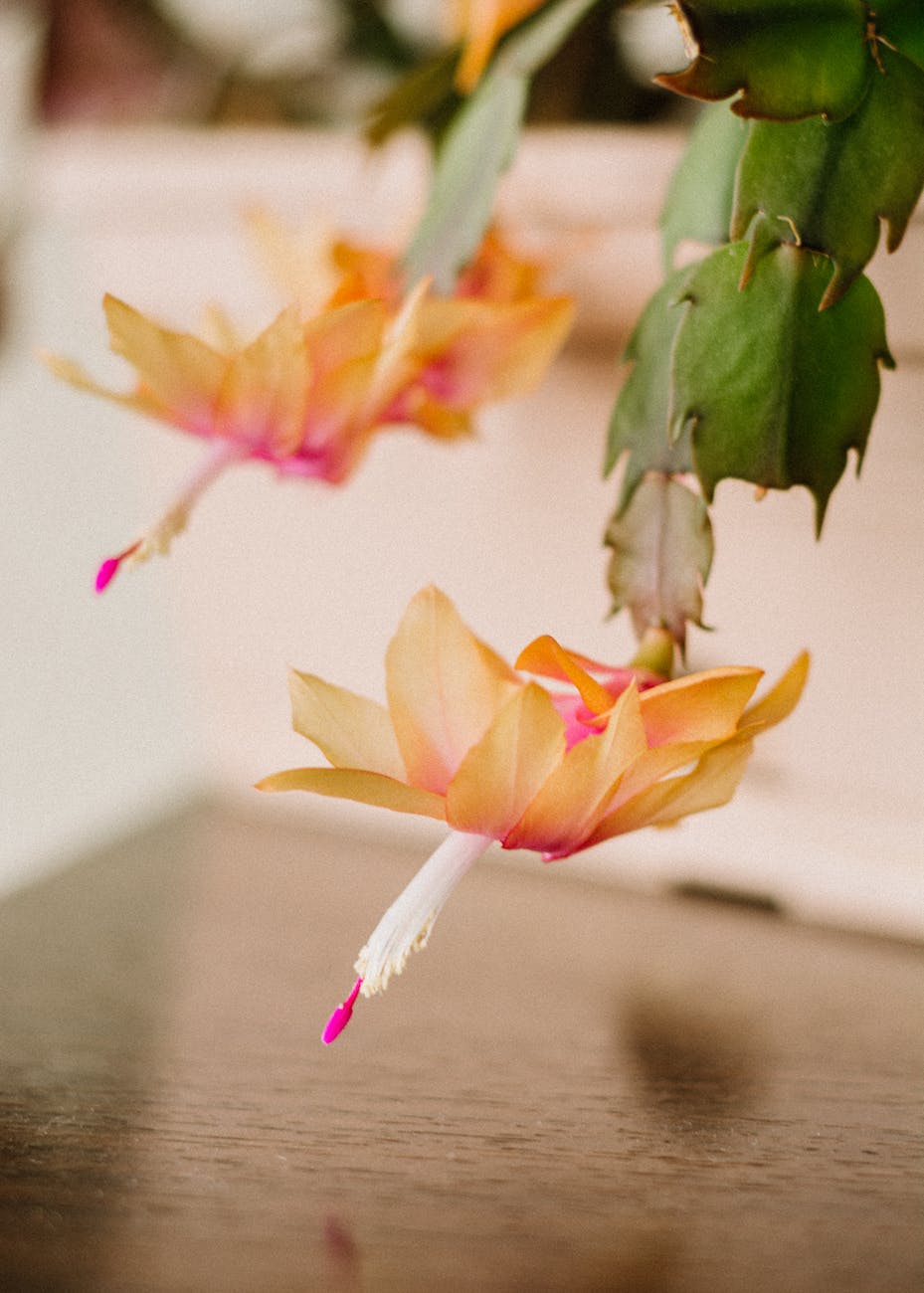
Christmas cacti (Schlumbergera spp.) are popular houseplants that are known for their colorful flowers that bloom during the holiday season. They look so beautiful during the holiday season on display in the dining room or other place of gathering. They are pretty easy to care for, but there are a few things you need to know in order to keep your Christmas cactus healthy and blooming year after year. Many people struggle to get them to rebloom after they purchase them in stores.
This post may contain affiliate links. Should you make a purchase we may earn a small commission to fuel our garden addiction.

How to grow Christmas Cactus Plants
Light
Christmas cacti prefer bright, indirect light. If you put them in too much direct sunlight it can scorch their leaves. A north- or east-facing window is ideal, but you can also grow them in a south-facing window as long as you protect them from the afternoon sun. If you live in a sunny climate, you may need to move your Christmas cactus to a shadier location during the summer months. You can also use a sheer curtain to protect your plant from the sun.
During the winter, when your Christmas cactus has gone dormant, you can gradually reduce the amount of light it receives. This will help to encourage it to bloom in the spring. Here are some additional tips for providing your Christmas cactus with the right amount of light:
- If you are not sure how much light your Christmas cactus needs, it is always better to err on the side of less light.
- If you notice that the leaves of your Christmas cactus are starting to turn yellow or brown, this may be a sign that the plant is not getting enough light or its getting too much water.
- If you live in a very dark climate or home, you may need to supplement your Christmas cactuses light with a grow light.
Water
- Water when the top inch of soil is dry. This is the most important rule to remember when watering Christmas cacti. Overwatering is one of the most common causes of problems with these plants, so it’s important to err on the side of under-watering. You can stick your index finger into the soil to test for dryness or use a moisture meter.
- Water deeply when you do water. When you do water your Christmas cactus, make sure to water it deeply so that the water reaches the roots. This will help to prevent the roots from becoming waterlogged. Allow the water to come out of the drainage hole.
- Water less during the dormancy period. During the winter, when your Christmas cactus is dormant, you can water it less often. In fact, you may only need to water it once a month or even less during this time. If you notice that the leaves start to wrinkle give it a drink.

Temperature
Christmas cacti prefer warm temperatures, between 65 and 75 degrees Fahrenheit. They can tolerate cooler temperatures, but they will not bloom if the temperature drops below 55 degrees Fahrenheit.
Humidity
Christmas cacti appreciate high humidity. If you live in a dry climate, you can increase the humidity around your plant by placing it on a pebble tray or by misting it with water occasionally. Best bet is to get a humidifier to maintain consistent humidity.
Fertilizer
Christmas cacti should be fertilized during the spring and summer months, when they are actively growing. You can use a balanced fertilizer, such as 20-20-20, or a fertilizer specifically formulated for cacti. To fertilize your Christmas cactus, simply dilute the fertilizer according to the instructions on the label and water your plant with the diluted fertilizer. You can fertilize your Christmas cactus every 6-8 weeks during the spring and summer months. It is important to note that you should not fertilize your Christmas cactus during the winter, when it is dormant. Fertilizing your Christmas cactus during the winter can actually prevent it from blooming.
Here are some additional tips for fertilizing your Christmas cactus:
- Use a fertilizer that is high in phosphorus. Phosphorus is essential for flowering, so it is important to use a fertilizer that contains a good amount of this nutrient.
- Do not overfertilize your Christmas cactus. Overfertilizing can actually burn the roots of the plant and kill it.
- If you are not sure how much fertilizer to use, it is always better to dilute your fertilizer.

Repot
Christmas cactuses only need to be repotted every few years, when they outgrow their current pot. You will know when you need to go up a pot size when you begin to see roots growing out of the pot and your plant needs watered more often than usual. When you repot, choose a pot that is one to two sizes larger than its current pot. Use a cactus potting mix or a general-purpose potting mix then add perlite and orchid bark to add drainage.
Pests and Diseases
Christmas cacti are relatively pest- and disease-resistant. However, they can be susceptible to mealybugs, scale, and spider mites. If you see any pests on your plant, you can treat them with an insecticidal soap or neem oil.
Propagation
Christmas cacti can be propagated from cuttings. To take a cutting, simply cut a healthy segment of stem that is about 4 inches long. Remove the bottom leaves from the cutting and allow it to callous over for a few days. Then, plant the cutting in a pot of cactus potting mix. The cutting should root in about 6 weeks.
Troubleshooting
If your Christmas cactus is not blooming, it may be because it is not getting enough light, water, or fertilizer. It may also be because the temperature is too low or the plant is not getting enough rest. Trouble shoot to figure out what’s wrong by trying different ways to care for your plant.
Christmas cacti are beautiful and easy-to-care-for plants that can add a touch of holiday cheer to your home. By following these simple care tips, you can keep your Christmas cactus healthy and blooming for many years to come.
Happy Gardening!
Want More?
Houseplants are gorgeous living home decor. It is worthwhile learning how to properly care for them.
IF YOU LIKE THIS POST
You might also like these:
- How to properly water your houseplants
- Best soil to tropical houseplants
- Best Indoor Trailing Houseplants
We’d love to hang out with you on our social channels. You can subscribe to our blog and find us on Facebook, Youtube, Instagram and Pinterest! Feel free to reach out if you have any plant questions!
DISCLOSURE
This blog post may contain affiliate links. Which means if you click on a link and go on to buy the product I recommend, I may get a small commission at no extra cost to you.
Thank you for your support. It means the world to us!

The Thrifted Planter
Ciearra is a gardener and houseplant enthusiast of over 10 years! She has been growing indoors and outdoors. Supplying food for her family and beautifying her home with annuals, perennials and houseplants! Ciearra is passionate about sharing her knowledge of plant care with anyone who needs help or a quick plant growth tip! When she’s not blogging you can find her tending to her chickens, dogs and hanging out with her family
4 responses to “Christmas Cactus Care Guide”
Leave a Reply

Nestera Chicken Coop

Park Seed
Garden Tower Project
Vego Garden Beds

Botanical Interests
Amazon Favorites!

Hoselink
Web Stories


[…] our Full Christmas Cactus Growing Guide Here! To Learn how to care for your plant year […]
[…] yellow flowers. The bracts change color in response to the length of day and night very much like a Christmas Cactus needing darkness to […]
[…] Christmas Cactus (Schlumbergera spp.): This cactus blooms beautifully during the holiday season and prefers slightly less light than desert cacti. […]
[…] Cacti: Unlike their desert counterparts, jungle cacti like the Christmas cactus require more consistent watering. They naturally grow in humid, forested areas and need higher […]