Fall Vegetable Gardening Guide: How to Plan, Plant, and Grow a Successful Fall Garden

Fall Vegetable Gardening Guide
Did you know your garden doesn’t have to come to an end when summer crops begin to fade? A fall vegetable garden is a wonderful way to extend your growing season, continue harvesting fresh produce, and make the most of your garden space long after the heat of summer has passed.
Many gardeners think of spring as the only time to plant, but fall is actually one of the best seasons for growing vegetables. Cooler temperatures, fewer pests, and shorter days create ideal growing conditions for many crops like kale, spinach, lettuce, carrots, broccoli, and radishes. Some vegetables even develop sweeter flavors after being exposed to cooler temperatures.
In this guide, I’ll walk you through everything you need to know about starting a successful fall vegetable garden, including when to plant, how to prepare your garden beds, the best vegetables to grow, how to protect your crops from frost, and tips for extending your harvest into the colder months.
Whether you’re a beginner gardener planting your first fall crop or an experienced gardener looking to maximize your growing season, a fall garden is a rewarding way to keep growing, harvesting, and enjoying fresh food well into autumn.

What Is a Fall Vegetable Garden?
A fall vegetable garden is a garden planted in late summer or early fall that is designed to produce fresh vegetables during the cooler months of the year. Instead of ending your gardening season after summer crops like tomatoes, cucumbers, and peppers slow down, a fall garden allows you to continue growing and harvesting well into autumn and, in some climates, even through winter.
Unlike a spring garden that starts with warming temperatures, a fall garden begins during the heat of summer and matures as temperatures cool. This makes planning and timing especially important because each crop needs enough time to grow before your first frost date.
Many of the vegetables that thrive in fall are cool-season crops. These plants prefer mild temperatures and often struggle during the heat of summer but flourish when the weather becomes cooler. Some crops, like kale, spinach, carrots, and Brussels sprouts, can even tolerate light frosts and may develop sweeter flavors after experiencing colder temperatures.
A fall vegetable garden can be planted in several ways, including:
- Replacing finished summer crops: Remove plants that have stopped producing and use that space for fall vegetables.
- Succession planting: Plant new crops in areas where early-season vegetables like peas, lettuce, or radishes have been harvested.
- Growing in containers: Use pots, raised beds, and vertical planters to grow fall crops in smaller spaces.
- Overwintering crops: Plant vegetables in late fall that can survive winter and resume growth in early spring.
One of the biggest benefits of fall gardening is that it allows you to maximize the space you already have. Your garden beds do not need to sit empty after the summer harvest. With a little planning, the same raised beds that produced tomatoes and peppers can provide you with fresh greens, root vegetables, and herbs for months longer.
In my Zone 6 Ohio garden, fall gardening has become one of my favorite ways to extend the growing season. After harvesting summer favorites, I refresh my beds with compost and organic amendments before planting cool-season crops that thrive in the crisp fall weather. It is a great reminder that the garden doesn’t have to slow down just because summer is ending.

Benefits of Growing a Fall Vegetable Garden
A fall vegetable garden is one of the best ways to get more from your growing space. While many gardeners think the growing season ends when summer crops decline, fall offers a second opportunity to plant, harvest, and enjoy fresh produce. In many climates, the cooler temperatures of autumn can actually create better growing conditions for certain vegetables than the heat of summer.
Here are some of the biggest benefits of adding a fall vegetable garden to your growing plans.
1. Extend Your Growing Season
The biggest advantage of a fall garden is that it allows you to continue harvesting fresh vegetables after your summer garden begins to slow down.
Instead of pulling out your garden beds after your tomatoes and peppers finish producing, you can replace those crops with vegetables that thrive in cooler weather.
A well-planned fall garden can provide harvests of:
- Lettuce
- Spinach
- Kale
- Carrots
- Radishes
- Broccoli
- Brussels sprouts
- Beets
- Herbs
Depending on your climate and the crops you grow, you may be able to harvest vegetables well into late fall or even throughout the winter.
2. Cooler Temperatures Help Plants Thrive
Many vegetables actually prefer the cooler temperatures of fall. During the heat of summer, crops like lettuce, spinach, and cilantro can struggle, bolt quickly, or develop bitter flavors.
As temperatures cool, these plants often grow more slowly and produce better-quality harvests.
Cool fall weather provides:
- Less heat stress
- More consistent moisture
- Improved plant growth
- Better flavor in many crops
Some vegetables, especially root crops and leafy greens, become sweeter after experiencing cooler temperatures because the plants convert stored starches into sugars as a natural response to cold weather.
3. Fewer Pests and Diseases
One of the biggest challenges of summer gardening is dealing with pests. Warm weather creates ideal conditions for many garden insects, including aphids, cabbage worms, cucumber beetles, and squash bugs.
A fall garden often experiences fewer pest pressures because many insect populations naturally decline as temperatures drop.
While pests can still be present in autumn, many gardeners find fall crops easier to manage than summer crops.
Cooler weather can also reduce some disease issues caused by heat and humidity, making fall gardening a little less stressful for beginners.
4. Make Better Use of Your Garden Space
Fall gardening allows you to maximize the productivity of your garden beds. Instead of leaving empty spaces after summer harvests, you can continue growing food in the same area.
For example:
- Replace spent tomato plants with spinach or lettuce.
- Plant carrots where early potatoes were harvested.
- Fill empty raised beds with cold-hardy greens.
- Grow herbs and vegetables in containers after summer flowers fade.
This practice, known as succession planting, helps you get multiple harvests from the same garden space throughout the year.
5. Enjoy More Time in the Garden
Fall gardening is often more enjoyable because you can work outside without the intense heat and humidity of summer.
Cool mornings, fewer weeds, and slower-growing plants make autumn a relaxing time to spend in the garden. It is also a great opportunity to prepare your beds for the next growing season while still enjoying fresh harvests.
6. Improve Your Soil Before Spring
A fall garden is not only about growing vegetables it is also an opportunity to improve your soil.
After summer crops have finished producing, you can refresh your garden beds by adding:
- Finished compost
- Worm castings
- Aged manure
- Organic fertilizers
- Mulch
- Cover crops
These additions break down over the winter and help create healthier, more productive soil for spring planting.
If you are new to composting, learn how to create your own nutrient-rich soil amendment with my guide on How to Start Composting for Beginners.
7. Grow Vegetables That Taste Better After Frost
One of the best-kept secrets of fall gardening is that some vegetables actually improve with cooler weather.
Light frost can enhance the flavor of crops like:
- Kale
- Carrots
- Parsnips
- Brussels sprouts
- Collard greens
These crops often become sweeter and more flavorful as temperatures drop, making them some of the most rewarding vegetables to grow in an autumn garden.
Growing a fall vegetable garden gives you more than just an extended harvest it helps you become a more successful gardener by teaching you how to work with the changing seasons. Whether you have a large backyard garden, raised beds, or a few containers on a patio, fall is an excellent time to keep growing.
Planting Timeline
| Time | What to Do |
|---|---|
| July | Start seeds indoors for fall crops |
| August | Plant quick-growing crops and transplant seedlings |
| September | Continue planting greens and root crops |
| October | Protect crops from frost |
| November | Harvest cold-hardy vegetables |
Timing depends on your first frost date and the days to maturity listed on seed packets. Counting backward from your expected frost date is one of the best ways to plan fall crops.

How to Prepare Your Garden for Fall Planting
A successful fall vegetable garden starts with proper preparation. Unlike spring planting, where you begin with a blank garden bed, fall gardening often means transitioning from summer crops into a new season of vegetables. Taking time to refresh your garden soil, remove declining plants, and create the right growing conditions will give your fall crops the best chance of success.
The good news is that you don’t need to completely start over. With a few simple steps, your existing garden beds can be ready for a productive fall harvest.
1. Remove Finished Summer Crops
The first step in preparing your fall garden is clearing out crops that have finished producing.
Remove plants that are:
- No longer producing fruit
- Yellowing or declining
- Diseased or damaged
- Taking up space needed for fall crops
Plants affected by disease should be removed from the garden and composted only if you are sure the compost pile will reach temperatures high enough to kill pathogens. Otherwise, it is best to dispose of diseased plant material.
Healthy plant debris can often be added to your compost pile, helping you create a valuable soil amendment for future gardening seasons.
2. Weed and Clean Up Garden Beds
Before planting new crops, take time to remove weeds and leftover plant material from your beds.
Weeds compete with young fall seedlings for:
- Water
- Nutrients
- Sunlight
- Growing space
Removing weeds early gives your fall vegetables a better chance to establish before colder weather arrives.
This is also a great time to check your beds for any pests, damaged irrigation lines, or areas where soil may have become compacted during the summer growing season.
3. Refresh Your Soil With Compost and Organic Matter
Summer crops are heavy feeders and can use a significant amount of nutrients throughout the growing season. Before planting fall vegetables, replenish your soil by adding organic matter.
Some of the best fall soil amendments include:
- Finished compost
- Worm castings
- Aged manure
- Leaf mold
- Organic fertilizers
Adding compost in the fall is especially beneficial because it has time to break down and improve soil structure before spring planting.
Healthy soil helps create stronger plants by improving:
- Drainage
- Moisture retention
- Nutrient availability
- Beneficial microbial activity
If you’re new to composting, learn how to create your own nutrient-rich garden amendment in my guide How to Start Composting for Beginners.

4. Add Fall Fertilizer if Needed
Fall is a great time to improve soil health, but not every garden needs additional fertilizer. Before adding nutrients, consider doing a soil test to understand what your garden actually needs.
If your soil is lacking nutrients, fall is a good time to add slow-release organic amendments that will continue breaking down over the winter.
Good options include:
- Compost
- Worm castings
- Balanced organic fertilizers
- Bone meal for certain root-focused plantings
Avoid high-nitrogen fertilizers late in the season because they can encourage tender new growth that may be damaged by freezing temperatures.
For more information about choosing the right amendments, check out my guide on the Best Fertilizer for Fall.
5. Check Your Soil Moisture
Late summer soil can become dry, especially after months of hot weather. Before planting fall crops, make sure your garden beds are properly watered.
Dry soil can make it difficult for seeds to germinate and for young seedlings to establish strong roots.
Before planting:
- Water deeply if the soil is dry.
- Allow the moisture to soak into the root zone.
- Check that your beds drain properly.
Fall crops need consistent moisture, especially during their first few weeks of growth.
6. Plan Your Fall Garden Layout
Before planting, take a few minutes to decide where each crop will go.
Consider:
- Remaining sunlight as the days get shorter
- Mature plant size
- Days to harvest
- Frost tolerance
- Companion planting
Tall summer crops may have shaded areas that become less suitable as autumn approaches. Planning your layout helps ensure each vegetable receives enough sunlight to mature before winter.
7. Add Mulch Around Established Plants
Mulch can be helpful in fall gardens by protecting soil moisture and regulating temperature.
Good mulch options include:
- Straw
- Shredded leaves
- Grass clippings
- Compost
For newly planted seeds, wait until seedlings emerge before adding thick mulch. Once plants are established, mulch can help keep roots protected as temperatures begin to drop.
Preparing My Fall Garden in Zone 6 Ohio
In my Zone 6 Ohio garden, fall preparation usually begins when my summer crops start slowing down. I remove plants that are finished producing, add compost from my own garden system, refresh my raised beds, and prepare space for cool-season crops like greens, root vegetables, and herbs.
One of my favorite things about fall gardening is that it feels like giving my garden a fresh start. Instead of viewing the end of summer as the end of the growing season, I see it as an opportunity to grow something new while improving the soil for next year.

Best Vegetables to Grow in a Fall Garden
One of the best things about fall gardening is the wide variety of vegetables that thrive in cooler temperatures. While warm-season crops like tomatoes, peppers, and cucumbers begin slowing down, many cool-season vegetables actually prefer the shorter days and crisp weather of autumn.
The key to a successful fall vegetable garden is choosing crops that have enough time to mature before your first frost date. Some vegetables can be planted in late summer for a fall harvest, while others can tolerate frost and continue growing well into the colder months.
Below are some of the best vegetables to grow in a fall garden.
Leafy Greens
Leafy greens are some of the easiest and most rewarding crops to grow in fall. Many greens struggle during summer heat but grow beautifully once temperatures begin to cool.
Kale
Kale is one of the best vegetables for a fall garden because it is extremely cold tolerant and can continue producing well after light frosts. In fact, many gardeners find that kale tastes sweeter after experiencing cooler temperatures.
Popular varieties include:
Kale can be harvested by picking the outer leaves as needed, allowing the plant to continue producing throughout the season.
Spinach
Spinach thrives in cool weather and is an excellent choice for fall planting. It grows quickly, tolerates light frost, and can even overwinter in many climates with protection.
For a continuous harvest, plant spinach every few weeks during late summer and early fall.
Lettuce
Fall is one of the best times to grow lettuce because cooler temperatures help prevent bolting. Lettuce grows well in garden beds, raised beds, and containers.
Try growing:
Provide consistent moisture and harvest outer leaves as the plants grow for a longer harvest.
Swiss Chard
Swiss chard is a beautiful and productive fall crop. Its colorful stems add visual interest to the garden while providing nutritious greens.
Many varieties can tolerate light frost and continue producing well into fall.
Root Vegetables
Root crops are perfect for fall gardening because many actually improve in flavor as temperatures drop.
Carrots
Carrots are a favorite fall crop because cooler temperatures encourage sweeter roots. They can tolerate frost and can often be harvested well into winter with mulch protection.
For the best results:
- Plant in loose, well-draining soil.
- Keep soil consistently moist during germination.
- Thin seedlings so roots have room to develop.
Radishes
Radishes are one of the fastest-growing fall vegetables, making them perfect for gardeners who want a quick harvest.
Many varieties mature in as little as 25–30 days, making them excellent for succession planting.
Beets
Beets are another cold-tolerant root crop that performs well in fall gardens. Both the roots and greens are edible, making them a productive choice for small spaces.
Brassicas (Cool-Season Favorites)
Brassicas are some of the most popular fall vegetables because many varieties thrive in cooler temperatures.
Broccoli
Fall is often a better season for broccoli than spring because cooler temperatures help produce larger, better-quality heads.
Broccoli does take longer to mature, so it is important to start seeds early or transplant seedlings at the right time.
Brussels Sprouts
Brussels sprouts are one of the ultimate fall and winter vegetables. They require a long growing season but become sweeter after exposure to frost.
They are ideal for gardeners who want harvests later into the season.
Cabbage
Cabbage grows well in fall because it prefers cooler weather and can tolerate light frost.
It is a great crop for:
- Fresh eating
- Fermenting
- Storage
Cauliflower
Cauliflower can be a little more challenging to grow, but fall conditions often provide the cool temperatures it needs for successful growth.
Peas
While peas are often considered a spring crop, they can also be grown as a fall crop in many areas.
Fall peas enjoy cooler temperatures and can provide a delicious harvest before winter arrives.
Try:
- Snap peas
- Snow peas
- Shelling peas
Provide a trellis or support system to keep vines healthy and productive.
Fall Herbs
Don’t forget about herbs! Many herbs perform beautifully in cooler weather.
Great fall herbs include:
- Cilantro
- Parsley
- Chives
- Dill
- Thyme
Cilantro especially benefits from cooler temperatures because it is less likely to bolt compared to summer plantings.

Quick Guide: Fall Vegetable Planting Chart
| Vegetable | Best Time to Plant | Days to Harvest | Frost Tolerance |
|---|---|---|---|
| Spinach | Late summer–early fall | 35–50 days | Excellent |
| Kale | Late summer | 50–60 days | Excellent |
| Lettuce | Late summer–early fall | 30–60 days | Moderate |
| Radishes | Late summer–fall | 25–30 days | Good |
| Carrots | Summer–early fall | 60–80 days | Excellent |
| Beets | Summer–early fall | 50–70 days | Good |
| Broccoli | Summer transplant | 60–90 days | Good |
| Brussels Sprouts | Early summer transplant | 90–120+ days | Excellent |
| Cabbage | Summer transplant | 60–90 days | Good |
| Peas | Late summer | 60–70 days | Moderate |
Tips for Choosing Fall Garden Vegetables
When selecting crops for your fall garden, consider:
Your First Frost Date
Your first frost date determines how much growing time you have left. Always check the days to maturity listed on seed packets and count backward from your expected frost date.
Your Growing Zone
Gardeners in warmer climates may continue harvesting throughout winter, while colder climates may need frost protection or cold frames.
Your Garden Space
Choose crops that fit your available space. Many fall vegetables grow beautifully in:
- Raised beds
- Containers
- Vertical gardens
- GreenStalk planters
A small garden can still produce an impressive fall harvest when planted strategically.
In my Zone 6 Ohio garden, fall is one of my favorite times to grow vegetables because the cooler weather makes gardening more enjoyable and many crops actually perform better than they do during the heat of summer. Growing a mix of leafy greens, root vegetables, and cold-hardy crops allows me to continue harvesting fresh food well after my summer garden begins to fade.

| Vegetable | When to Plant | Days to Harvest | Frost Tolerance |
|---|---|---|---|
| Spinach | Late summer | 40-50 days | Excellent |
| Radishes | Late summer/fall | 25-30 days | Good |
| Kale | Summer/fall | 50-60 days | Excellent |
| Lettuce | Late summer | 30-60 days | Moderate |
| Carrots | Summer | 60-80 days | Excellent |
| Bok Choy | Late summer | 45-60 days | Moderate |
Growing Fall Vegetables in Raised Beds
Raised beds are one of my favorite ways to grow a fall vegetable garden. They offer several advantages for cool-season crops, including better drainage, warmer soil in early spring and fall, easier soil preparation, and more control over the growing environment.
Whether you have traditional wooden raised beds, metal raised beds, or elevated planters, you can successfully grow a productive fall garden in a small amount of space.
In my own Zone 6 garden, my raised beds make transitioning from summer crops to fall vegetables much easier. After harvesting warm-season plants, I can quickly refresh the soil and fill empty spaces with cool-season crops that will continue producing well into autumn.
Why Raised Beds Are Great for Fall Gardening
Raised beds are especially helpful for fall vegetable gardens because they warm up faster than in-ground soil and provide excellent growing conditions for many cool-season crops.
Some benefits include:
Better Drainage
Fall weather can bring increased rainfall, and many vegetables do not like sitting in soggy soil. Raised beds allow excess water to drain away more easily, helping prevent root rot and other moisture-related problems.
Warmer Soil
Because raised beds sit above ground level, the soil warms and cools more quickly. This can give fall crops a little extra growing time before winter arrives.
Easier Soil Refreshing
After a long summer growing season, raised beds can become depleted of nutrients. Refreshing the soil is simple—just add compost, organic matter, and amendments before planting your fall crops.
Less Weeding
Raised beds typically have fewer weeds than traditional garden beds, giving you more time to focus on planting, harvesting, and enjoying your garden.
How to Transition Your Raised Beds From Summer to Fall
Once your summer crops begin slowing down, it is time to prepare your beds for fall planting.
1. Remove Finished Summer Crops
Remove plants that are no longer producing, including:
- Spent tomato plants
- Cucumber vines
- Squash plants
- Diseased foliage
Healthy plant material can often be composted, while diseased plants should be removed from the garden.
2. Refresh the Soil
Summer vegetables are heavy feeders and use a lot of nutrients throughout the growing season.
Before planting fall crops, add:
- Finished compost
- Worm castings
- Aged manure
- Organic fertilizer if needed
Gently mix amendments into the top few inches of soil without disturbing the deeper soil layers.
3. Replant Empty Spaces
You don’t need to wait for an entire bed to become empty before planting fall crops.
Use open spaces between existing plants or replace finished crops as soon as they are removed.
Examples:
- Replace harvested onions with lettuce.
- Plant spinach where beans were removed.
- Sow carrots after early potatoes are harvested.
- Fill empty spaces with radishes for a quick harvest.
This method of succession planting helps you maximize your growing space.

Best Fall Vegetables for Raised Beds
Many vegetables thrive in raised beds during fall, especially crops with shallow roots or those that prefer loose, fertile soil.
Great choices include:
Leafy Greens
- Lettuce
- Spinach
- Kale
- Arugula
- Swiss chard
Root Vegetables
- Carrots
- Radishes
- Beets
- Turnips
Brassicas
- Broccoli
- Cabbage
- Cauliflower
- Brussels sprouts
Herbs
- Cilantro
- Parsley
- Chives
- Dill
Extending Your Raised Bed Harvest
One of the best things about fall gardening is that many crops can continue growing after the first frost.
To extend your harvest:
Use Row Covers
Lightweight fabric covers can protect plants from frost while still allowing sunlight, air, and water to reach your crops.
Add Mulch
A layer of straw or shredded leaves helps regulate soil temperature and protect plant roots from temperature swings.
Plant Cold-Hardy Crops
Choose vegetables that naturally tolerate cooler temperatures, such as:
- Kale
- Spinach
- Carrots
- Brussels sprouts
- Collard greens
Use a Greenhouse or Cold Frame
If you have a greenhouse or protected growing area, you can extend your harvest even further by protecting fall crops from freezing temperatures.

Fall Gardening in My Raised Beds
My raised beds are where I do most of my fall gardening because they make the transition from summer to autumn so simple. After my warm-season crops finish producing, I add compost, refresh the soil, and plant vegetables that love cooler temperatures.
Using raised beds has allowed me to continue harvesting fresh greens, herbs, and vegetables long after the traditional summer gardening season has ended. It is one of my favorite ways to get more value from the garden space I already have.
A productive garden doesn’t have to stop growing when summer ends sometimes fall is when some of the most rewarding harvests begin.
Growing Fall Vegetables in Containers
You don’t need a large backyard garden to enjoy a fall harvest. Container gardening is an excellent option for growing vegetables in smaller spaces, including patios, balconies, porches, and urban gardens. Containers also make it easier to move plants around, protect crops from unexpected frost, and extend your growing season.
Fall is actually one of the best times to grow vegetables in containers because many cool-season crops have smaller root systems and grow well in pots, planters, and vertical gardening systems.
Choosing the Right Containers for Fall Vegetables
The key to successful container gardening is choosing a container that provides enough room for roots to grow and has proper drainage.
Look for containers that have:
- Drainage holes to prevent soggy soil
- Enough depth for the vegetable you are growing
- Quality potting mix instead of garden soil
- A sturdy design that can withstand changing weather conditions
Good container options include:
- Large pots
- Grow bags
- Raised planters
- Window boxes
- Vertical planters
- Self-watering containers
Avoid using garden soil in containers because it can become compacted and prevent proper drainage. A high-quality potting mix will provide better airflow and moisture control for container-grown vegetables.
Best Fall Vegetables to Grow in Containers
Many fall crops thrive in containers because they don’t require a lot of space.
Lettuce
Lettuce is one of the easiest fall vegetables to grow in containers. It has shallow roots and grows quickly, making it perfect for pots and window boxes.
Try planting:
- Leaf lettuce
- Butterhead lettuce
- Romaine
- Salad mixes
For a continuous harvest, plant new seeds every few weeks.
Spinach
Spinach grows well in containers and prefers the cooler temperatures of fall. A deep container will allow roots to develop while giving you plenty of fresh leaves to harvest.
Radishes
Radishes are ideal for beginner container gardeners because they mature quickly. They are a great crop for children and gardeners who want fast results.
Kale
Kale is a cold-hardy crop that grows beautifully in larger containers. Harvest the outside leaves as needed and allow the center of the plant to continue growing.
Carrots
Carrots can be grown successfully in containers as long as you choose a deep pot. Look for shorter varieties like:
- Paris Market
- Little Finger
- Thumbelina
Herbs
Fall is a great time to grow herbs in containers.
Great choices include:
- Cilantro
- Parsley
- Chives
- Thyme
Tips for Successful Fall Container Gardening
Monitor Watering
Containers dry out faster than garden beds, even in cooler weather. Check soil moisture regularly and water when the top inch feels dry.
Provide Enough Sunlight
Most fall vegetables still need several hours of sunlight each day. Place containers where they receive at least 6 hours of sun whenever possible.
Protect Containers From Freezing Temperatures
Container plants are more vulnerable to cold because their roots are exposed.
During freezing weather:
- Move containers near a protected wall.
- Group pots together for insulation.
- Cover plants with frost cloth.
- Move smaller containers into a garage or greenhouse if needed.
Refresh Soil Between Plantings
If you are planting in containers that previously held summer vegetables, refresh the potting mix by adding compost, worm castings, or organic fertilizer before planting your fall crops.
Growing Fall Vegetables in GreenStalk Planters
Vertical planters are another great way to grow fall vegetables, especially if you have limited space.
A vertical planter allows you to grow multiple crops in a small footprint while keeping plants easy to access and harvest.
Fall crops that grow well in vertical planters include:
- Lettuce
- Spinach
- Arugula
- Radishes
- Herbs
- Strawberries
The smaller pockets of vertical planters are also easier to protect from frost compared to larger garden beds.

Protecting Your Fall Vegetable Garden From Frost
One of the biggest concerns when growing a fall vegetable garden is the arrival of cold temperatures. However, frost does not always mean the end of your garden. Many cool-season crops are surprisingly resilient and can continue growing after light frosts.
The key to extending your harvest is knowing which vegetables can tolerate cold weather and how to protect crops when temperatures drop.
Know Your First Frost Date
The first step in protecting your fall garden is knowing when your average first frost date occurs.
Your frost date helps you determine:
- When to plant fall crops
- Which vegetables have enough time to mature
- When to begin preparing for protection
Keep in mind that your garden may experience colder temperatures before your official frost date, especially in exposed areas or low-lying spaces.
Use Row Covers and Frost Cloth
One of the easiest ways to protect fall vegetables is using floating row covers or frost cloth.
These lightweight fabrics help:
- Trap heat around plants
- Protect foliage from frost
- Extend the harvest season
- Reduce cold damage
Frost cloth is especially helpful for:
- Lettuce
- Spinach
- Kale
- Broccoli
- Carrots
Avoid using plastic directly on plants because it can trap moisture and cause damage if it touches freezing foliage.
Add Mulch Around Plants
Mulch acts like a blanket for your garden soil by helping regulate temperature and protect plant roots.
Good fall mulch options include:
- Straw
- Shredded leaves
- Pine needles
- Compost
Mulch is especially helpful for root crops like carrots and beets that can often be harvested later into the season.

Use Your Greenhouse or Cold Frame
If you have a greenhouse, cold frame, or protected growing area, you can significantly extend your fall harvest.
A greenhouse allows you to:
- Protect sensitive crops from frost
- Start seeds later in the season
- Grow greens throughout colder months
In my own garden, my greenhouse has become a valuable tool for extending the growing season. It allows me to keep growing plants when outdoor temperatures begin to drop and gives me more flexibility with fall crops.
Harvest Before a Hard Freeze
While many vegetables can handle light frost, a hard freeze can damage or kill more tender crops.
Before a major freeze:
Harvest:
- Tomatoes that are beginning to ripen
- Peppers
- Tender herbs
- Lettuce
- Summer vegetables still producing
Cold-hardy crops like kale, carrots, and Brussels sprouts can often remain in the garden longer with proper protection.
Cold-Hardy Vegetables That Can Handle Frost
Some vegetables actually become sweeter after exposure to cold temperatures.
These include:
- Kale
- Spinach
- Carrots
- Brussels sprouts
- Collard greens
- Parsnips
- Cabbage
These crops make excellent choices for gardeners who want to continue harvesting well into late fall.
A Tip From My Zone 6 Ohio Garden
In my Zone 6 Ohio garden, frost protection is what allows me to stretch my harvest well beyond the traditional growing season. I rely on cold-hardy crops, mulch, frost covers, and my greenhouse to keep vegetables growing as temperatures drop.
A fall garden doesn’t have to end with the first frost. With a little planning and protection, you can continue enjoying fresh harvests long after summer has ended.

Common Fall Vegetable Gardening Mistakes to Avoid
Starting a fall vegetable garden is a rewarding way to extend your growing season, but there are a few common mistakes that can prevent you from getting the harvest you hoped for. Fall gardening is different from spring gardening because you are working with a shorter growing window, cooler temperatures, and the approaching first frost.
By avoiding these common mistakes, you can give your fall crops the best chance of thriving.
1. Planting Too Late
One of the biggest mistakes gardeners make is waiting until fall has already arrived to start planting.
Many fall vegetables need to be planted in late summer so they have enough time to mature before cold weather slows growth. Even though you may not see fall weather yet, your plants need time to establish roots and grow before temperatures drop.
For example:
- Radishes may mature in less than a month.
- Lettuce may need 30–60 days.
- Broccoli and Brussels sprouts can require several months.
The best way to plan is to look at the days to maturity listed on seed packets and count backward from your expected first frost date.
2. Not Starting Seeds Early Enough
Some fall crops are best started indoors or started earlier in the summer rather than directly sown in the garden.
Vegetables like:
- Broccoli
- Cauliflower
- Cabbage
- Brussels sprouts
need a longer growing period and may struggle if started too late.
Starting seeds ahead of time gives seedlings a head start and allows you to transplant stronger plants into your fall garden.
3. Forgetting to Refresh the Soil
After a busy summer growing season, garden soil may be depleted of nutrients. Planting fall vegetables into tired soil can result in slow growth and smaller harvests.
Before planting fall crops, take time to replenish your garden beds with:
- Finished compost
- Worm castings
- Aged manure
- Organic fertilizer
- Mulch
Healthy soil creates healthier plants and helps your garden produce more throughout the season.
4. Ignoring Watering Needs
Cooler temperatures may reduce evaporation, but fall seedlings still need consistent moisture to become established.
Newly planted seeds are especially vulnerable because they need evenly moist soil to germinate.
Remember:
- Check soil moisture regularly.
- Water deeply instead of shallowly.
- Pay extra attention to containers, which dry out faster.
Once plants are established, many fall crops become easier to manage.

5. Choosing the Wrong Crops for Your Growing Zone
Not every vegetable will have enough time to mature before winter arrives.
A common mistake is planting warm-season crops too late, such as:
- Tomatoes
- Cucumbers
- Squash
- Melons
Instead, choose crops that naturally thrive in cooler weather.
Great fall choices include:
- Kale
- Spinach
- Lettuce
- Carrots
- Radishes
- Broccoli
- Cabbage
Understanding your growing zone and frost dates will help you choose crops that can realistically succeed.
6. Forgetting About Frost Protection
Many gardeners assume the first frost means the garden is finished, but that isn’t always true.
Many fall vegetables can survive light frost, and some actually taste better after cold temperatures.
However, being prepared with:
- Frost cloth
- Row covers
- Mulch
- Cold frames
- A greenhouse
can add weeks or even months to your harvest season.
7. Overcrowding Plants
It can be tempting to plant as much as possible when the growing season is ending, but overcrowding can lead to problems.
Plants that are too close together compete for:
- Sunlight
- Water
- Nutrients
- Air circulation
Poor airflow can also increase the risk of fungal diseases.
Follow recommended spacing guidelines and thin seedlings when necessary.
8. Not Harvesting Regularly
Fall gardens often produce slowly and steadily. If you allow vegetables to become overgrown or miss the ideal harvest window, quality can decline.
Regular harvesting encourages many plants to continue producing and allows you to enjoy vegetables at their peak flavor.

To learn how to grow Kale from seed read this post here
Fall Vegetable Garden Frequently Asked Questions
When should I plant a fall vegetable garden?
The best time to plant a fall vegetable garden depends on your first frost date and the vegetables you want to grow. Most fall crops should be planted in mid to late summer so they have enough time to mature before cold temperatures arrive.
Use the days-to-maturity information on seed packets and count backward from your first expected frost date.
What vegetables grow best in a fall garden?
The best fall vegetables are cool-season crops that thrive in mild temperatures.
Popular choices include:
- Kale
- Spinach
- Lettuce
- Carrots
- Radishes
- Beets
- Broccoli
- Cabbage
- Brussels sprouts
- Peas
- Herbs like cilantro and parsley
Can I plant vegetables after my summer garden is finished?
Yes! Replacing finished summer crops with fall vegetables is one of the best ways to maximize your garden space.
After removing plants like tomatoes and cucumbers, refresh the soil with compost or organic amendments and plant cool-season crops in their place.
What vegetables can survive frost?
Many cool-season vegetables can tolerate frost and continue producing after temperatures drop.
Frost-tolerant vegetables include:
- Kale
- Spinach
- Carrots
- Brussels sprouts
- Collard greens
- Parsnips
- Cabbage
Some crops may even develop sweeter flavors after exposure to frost.
Can I grow a fall vegetable garden in containers?
Absolutely! Many fall vegetables grow well in containers, especially:
- Lettuce
- Spinach
- Radishes
- Kale
- Carrots
- Herbs
Choose containers with good drainage, quality potting soil, and enough space for roots to grow.
How do I protect my fall garden from frost?
You can protect fall vegetables from frost by using:
- Frost cloth
- Row covers
- Mulch
- Cold frames
- Greenhouses
Protecting crops helps trap heat and allows many vegetables to continue growing even as temperatures drop.
Is fall a good time to add compost to my garden?
Yes! Fall is one of the best times to add compost because it has time to break down and improve your soil before spring planting.
Adding compost helps:
- Improve soil structure
- Increase nutrients
- Support beneficial microorganisms
- Improve moisture retention
If you’re new to composting, check out my guide on How to Start Composting for Beginners.
Can I grow vegetables through winter?
In many areas, yes. With proper planning and protection, some vegetables can be harvested well into winter.
Cold-hardy crops like kale, spinach, carrots, and Brussels sprouts can often survive colder temperatures with mulch, row covers, or protected growing spaces.
What is the easiest fall vegetable to grow for beginners?
Some of the easiest fall vegetables for beginners include:
- Radishes
- Lettuce
- Spinach
- Kale
- Carrots
These crops require minimal space, grow relatively quickly, and tolerate cooler temperatures well.

Final Tip for Fall Garden Success
The key to a successful fall vegetable garden is planning ahead. Unlike summer crops that have a long growing season ahead of them, fall vegetables are racing against the clock before winter arrives.
Start early, choose the right crops for your climate, prepare your soil, and protect your plants when temperatures drop. With a little preparation, your garden can continue producing fresh food long after summer has ended.
Want To Learn More?
IF YOU LIKE THIS POST
You might also like these:
We’d love to hang out with you on our social channels. You can subscribe to our blog and find us on Facebook, Youtube, Instagram and Pinterest! Feel free to reach out if you have any plant questions!
DISCLOSURE
This blog post may contain affiliate links. Which means if you click on a link and go on to buy the product I recommend, I may get a small commission at no extra cost to you.
Thank you for your support. It means the world to us!

The Thrifted Planter
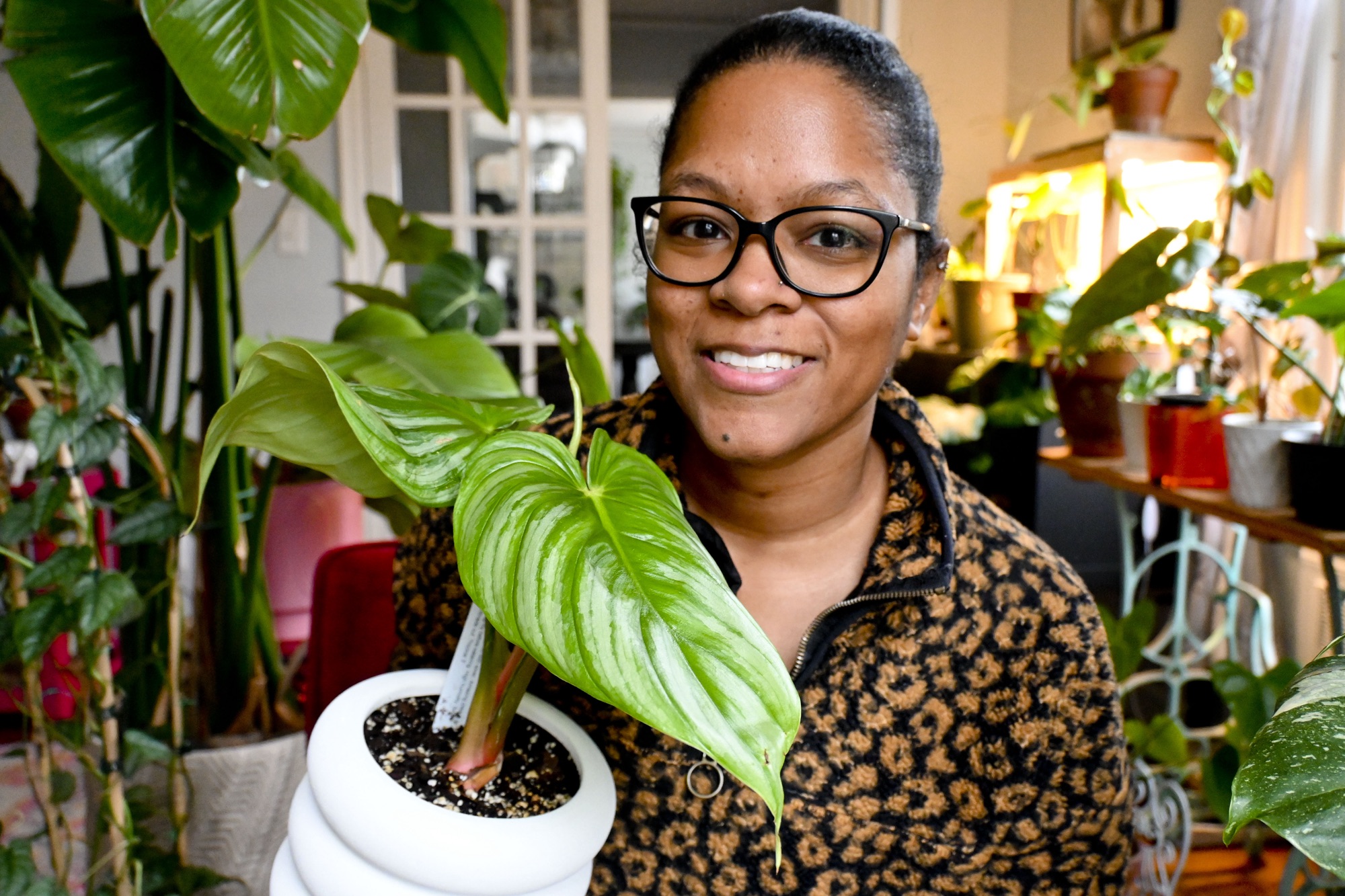
Ciearra is a gardener and houseplant enthusiast of over 10 years! She has been growing indoors and outdoors. Supplying food for her family and beautifying her home with annuals, perennials and houseplants! Ciearra is passionate about sharing her knowledge of plant care with anyone who needs help or a quick plant growth tip! When she’s not blogging you can find her tending to her chickens, dogs and hanging out with her family
Nestera Chicken Coop

Botanical Interest
Garden Tower Project
Vego Gardens

Botanical Interests
Amazon Favorites!

Hoselink
Web Stories


