Best Soil Mix for Monstera Plants (DIY Recipe That Prevents Root Rot)
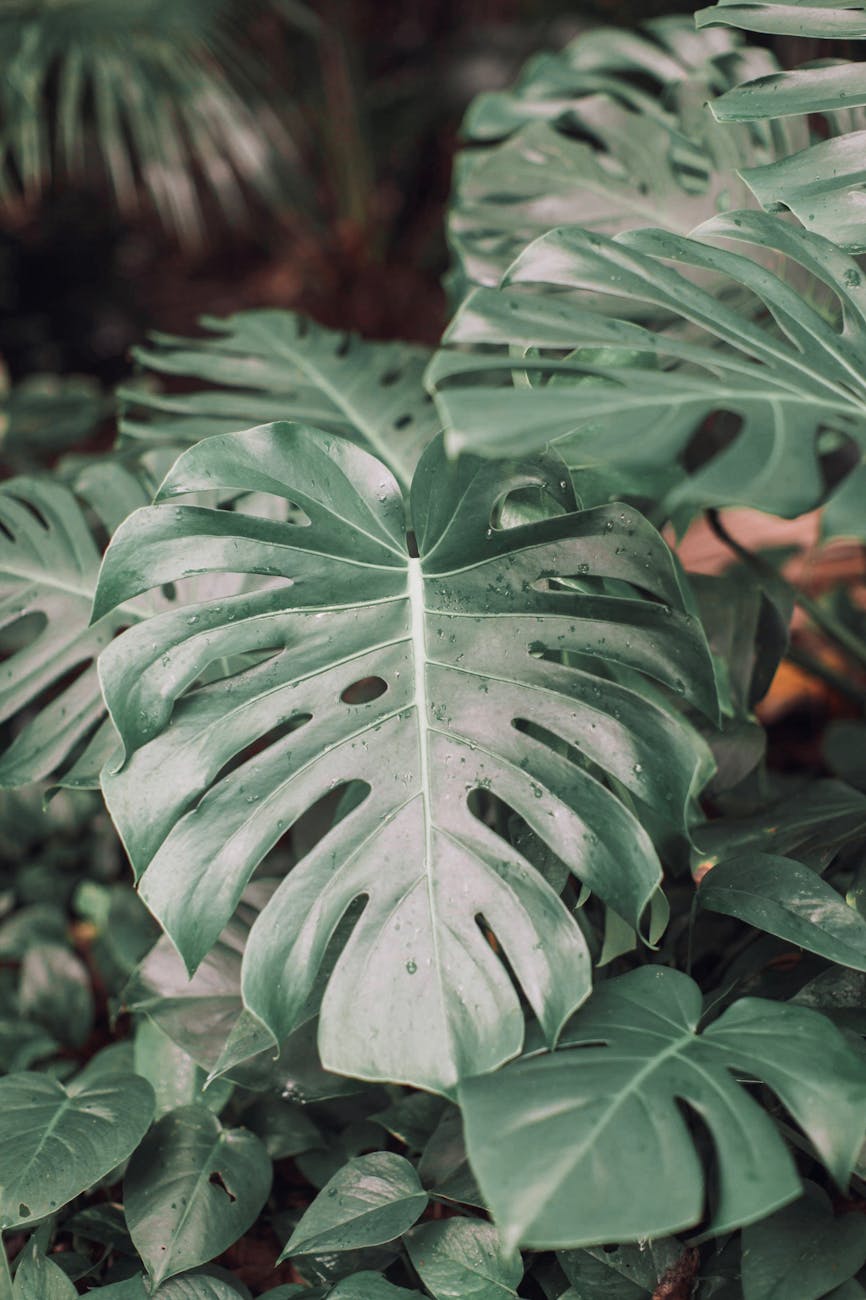
Best Soil Mix for Monstera Plants: A Comprehensive Guide
Choosing the right soil mix is one of the most important things you can do for a healthy Monstera. While these tropical houseplants are known for being easy to grow, planting them in dense, moisture-retaining soil can quickly lead to yellow leaves, root rot, and slow growth.
The good news? You don’t need an expensive premade aroid mix. In this guide, I’ll show you exactly how to make a chunky, well-draining DIY Monstera soil mix using easy-to-find ingredients that encourage strong roots and beautiful foliage.

What is the best soil for Monstera?
The best soil for Monstera is a chunky, well-draining mix made from potting soil or coco coir, orchid bark, perlite, and worm castings. This combination provides excellent aeration while holding just enough moisture to support healthy root growth without causing root rot.
Quick Care Cheat Sheet
| Requirement | Best Choice |
|---|---|
| Soil Type | Chunky aroid mix |
| Drainage | Excellent |
| pH | 5.5–7.0 |
| Moisture | Evenly moist |
| Pot | Drainage holes |
| Repot | Every 1–2 years |
| Best Ingredients | Orchid bark, perlite, coco coir, worm castings |
Why Regular Potting Soil Isn’t the Best Choice for Monstera Plants
If you’ve ever wondered why your Monstera seems unhappy despite regular watering and plenty of light, the problem may be hiding beneath the surface. While all-purpose potting soil works well for many houseplants, it’s usually too dense for Monsteras and other aroids.
In their natural habitat, Monstera plants don’t grow in heavy soil. They climb trees in tropical rainforests, anchoring themselves with aerial roots while growing in loose organic matter like decomposing leaves, bark, and moss. This environment provides constant airflow around the roots while still holding enough moisture for healthy growth.
Traditional potting soil is designed to retain water, which can become a problem indoors. Over time, it compacts with repeated watering, reducing air pockets around the roots. Without enough oxygen, roots struggle to absorb water and nutrients efficiently, leaving your Monstera vulnerable to stress and disease.
Common Problems with Regular Potting Soil
Using standard potting soil by itself can lead to several issues, including:
- Soil that stays wet for too long
- Poor airflow around the roots
- Compacted soil that limits root growth
- Increased risk of root rot
- Fungus gnat infestations
- Slower overall growth
- Yellowing leaves caused by overly wet roots
These problems become even more common when Monsteras are grown in decorative pots without drainage holes or are watered on a schedule instead of when the soil actually needs moisture.
Why a Chunky Soil Mix Works Better
A chunky soil mix is designed to mimic the loose, airy conditions Monsteras experience in nature. Ingredients like orchid bark, perlite, pumice, and coco coir create spaces throughout the potting mix that allow oxygen to reach the roots while helping excess water drain away quickly.
This balance is important because Monstera roots need both moisture and oxygen to thrive. A mix that drains well doesn’t mean the plant dries out instantly it simply prevents water from sitting around the roots for days at a time.
When your Monstera has access to the right soil structure, you’ll often notice:
- Faster root development
- Larger leaves with more fenestrations
- Healthier aerial roots
- Fewer yellow or brown leaves
- Reduced risk of root rot
- More vigorous growth during the growing season
Can You Use Regular Potting Soil at All?
Yes, but it works best as one ingredient rather than the entire mix.
A quality indoor potting soil provides organic matter and moisture retention, but it should be amended with chunky materials that improve drainage and airflow. Combining potting soil with orchid bark, perlite, coco coir, and worm castings creates a balanced growing medium that holds enough moisture without becoming heavy or compacted.
Think of regular potting soil as the foundation, not the finished product. By customizing it with the right amendments, you can create a soil mix that supports healthy roots and helps your Monstera thrive for years to come.
Understanding Monstera’s Soil Needs
Monstera plants require a soil mix that supports their root system and provides the right balance of moisture retention and drainage. Here’s what you need to know about creating the ideal environment for these lush, tropical plants.
Key Soil Characteristics for Monstera Plants
- Good Drainage: Monstera plants are prone to root rot if the soil does not drain well. Proper drainage prevents wet feet, which can lead to root diseases and brown spots on the leaves.
- Moisture Retention: While good drainage is essential, Monstera plants also need soil that can retain enough moisture to keep their roots hydrated without becoming waterlogged.
- Organic Matter: Incorporating organic matter such as coco coir, and worm castings helps provide essential nutrients and improves soil structure.
- pH Level: Monstera plants prefer a slightly acidic to neutral soil pH, ideally between 5.5 and 7.0. Regular monitoring with a moisture meter and pH test kit can help maintain the right balance.
Components of the Best Soil Mix
Creating the perfect soil mix for Monstera plants involves blending several key components to achieve the desired balance of drainage, moisture retention, and nutrient availability. Here’s a breakdown of the most effective ingredients:
- Coco Coir: Made from the husks of coconuts, coco coir is a fantastic medium for moisture retention and aeration. It helps keep the soil light and promotes healthy root growth.
- Peat Moss: Peat moss enhances the soil’s ability to retain moisture while providing a slightly acidic environment beneficial for Monstera plants.
- Perlite: Perlite is a volcanic glass that improves soil aeration and drainage. It helps prevent soil compaction and ensures that roots have access to adequate oxygen.
- Orchid Bark: Orchid bark adds structure and increases soil aeration. It mimics the conditions Monstera plants would encounter in their natural habitat, where they grow in loose, well-draining substrates.
- Pumice Stone: Pumice stone is another excellent addition for aeration and drainage. It helps to maintain the soil’s structure and prevents it from becoming too compacted.
- Pine Bark: Pine bark is used to add texture and improve soil drainage. It breaks down slowly, contributing to the soil’s long-term fertility.

What Does Each Ingredient Do? Understanding Your Monstera Soil Mix
A great Monstera soil mix isn’t just about throwing a few ingredients together it’s about understanding what each one contributes to the health of your plant. Every ingredient has a specific job, from improving drainage to providing nutrients or creating air pockets around the roots.
Here’s a closer look at the ingredients I use and why they’re important.
Orchid Bark
Orchid bark is one of the most important ingredients in a Monstera soil mix. Because Monsteras are epiphytes in the wild, their roots naturally grow around tree trunks instead of deep underground. Orchid bark helps recreate those airy growing conditions inside a pot.
The chunky pieces of bark create large air pockets throughout the soil, allowing oxygen to reach the roots while helping excess water drain away quickly. This reduces the risk of root rot and keeps the soil from becoming compacted over time.
Another benefit is that orchid bark breaks down slowly, meaning your soil stays loose and well-draining for much longer than plain potting soil.
Benefits of orchid bark:
- Improves drainage
- Increases airflow around the roots
- Mimics the plant’s natural environment
- Helps prevent compacted soil
- Encourages healthy root development
Quick Tip
Choose medium-grade orchid bark rather than fine bark. Larger pieces provide better aeration and last longer before decomposing.
Perlite
Perlite is the small white volcanic rock you’ll find in many potting mixes. It’s incredibly lightweight and filled with tiny air pockets that improve drainage without adding extra weight to the soil.
Unlike organic materials, perlite doesn’t break down over time. That means it continues creating space for air and water movement year after year.
Because Monsteras dislike sitting in soggy soil, perlite is one of the easiest ways to improve drainage and reduce the chances of overwatering.
Benefits of perlite:
- Prevents waterlogged soil
- Improves drainage
- Increases oxygen around roots
- Lightweight and long-lasting
- Helps reduce soil compaction
If you can’t find perlite, pumice makes an excellent substitute and offers many of the same benefits.
Coco Coir
Coco coir is made from coconut husks and is an environmentally friendly alternative to peat moss. It acts like a sponge, holding just enough moisture for the roots while still allowing excess water to drain away.
Unlike heavy potting soil, coco coir stays light and fluffy, making it a great foundation for tropical houseplants.
Another advantage is that coco coir is slow to decompose, helping your soil mix maintain its structure longer.
Benefits of coco coir:
- Holds moisture without becoming soggy
- Improves soil texture
- Resists compaction
- Sustainable alternative to peat moss
- Supports healthy root growth

Worm Castings
Think of worm castings as nature’s slow-release fertilizer.
Produced by composting worms, worm castings are packed with beneficial microorganisms and essential nutrients that help Monsteras produce healthy leaves and strong roots.
Unlike synthetic fertilizers, worm castings are gentle and won’t burn plant roots when used in reasonable amounts.
They also improve the soil’s ability to retain moisture and encourage beneficial microbial activity that supports long-term plant health.
Benefits of worm castings:
- Provides slow-release nutrients
- Improves soil biology
- Encourages healthy root growth
- Supports lush green foliage
- Gentle enough for regular use
A little goes a long way there’s no need to overload your soil with worm castings.
Horticultural Charcoal (Optional)
Horticultural charcoal isn’t required, but it’s a favorite addition among many houseplant enthusiasts.
Charcoal helps absorb impurities in the soil, improves drainage, and may reduce odors in potting mixes. It also adds another layer of structure by creating additional air pockets around the roots.
While charcoal won’t magically prevent root rot, it can be a helpful addition to an already well-balanced soil mix.
Benefits of horticultural charcoal:
- Improves drainage
- Helps keep soil fresh
- Adds air pockets
- Supports healthy root environments
- Long-lasting soil amendment
If you don’t have horticultural charcoal, don’t worry your Monstera will still thrive without it.

Potting Soil
Quality potting soil acts as the base that holds everything together.
It provides organic matter, retains some moisture, and gives your Monstera a stable foundation for root growth. However, potting soil should never be the only ingredient because it tends to hold too much water on its own.
Instead, think of it as one part of a balanced recipe. The chunky ingredients keep it loose while the potting soil provides the moisture and nutrients your plant needs.
Benefits of potting soil:
- Holds moisture between waterings
- Anchors the root system
- Provides organic matter
- Contains starter nutrients in many blends
- Creates the foundation of your soil mix
Choose a high-quality indoor potting mix rather than garden soil, which is too dense for container-grown houseplants.
Why These Ingredients Work So Well Together
Each ingredient plays a different role, but together they create the perfect environment for a Monstera’s roots.
- Potting soil provides structure and moisture retention.
- Orchid bark creates large air pockets and improves drainage.
- Perlite keeps the mix light and prevents compaction.
- Coco coir holds just the right amount of moisture without becoming waterlogged.
- Worm castings provide natural, slow-release nutrients.
- Horticultural charcoal helps keep the soil fresh and airy.
The result is a chunky, well-draining soil mix that closely mimics the conditions Monsteras experience in their native tropical habitat. Healthy roots lead to healthier plants, faster growth, and those beautiful split leaves every Monstera owner hopes to see.

How to Mix Your Soil
To create a well-balanced soil mix for Monstera plants, follow these guidelines:
Basic Mix:
- 2 cups of coco coir
- 2 cups of peat moss
- 1 cup of perlite
- 1 cup of orchid bark
- Enhanced Mix:
- 2 cups of coco coir
- 2 cups of peat moss
- 1 cup of perlite
- 1 cup of pumice stone
- 1 cup of pine bark
- 1 cup of worm castings (for added nutrients)
- Adjusting for Specific Needs:
- For increased moisture retention, add more peat moss or coco coir.
- For enhanced drainage, increase the amount of perlite or pumice stone.
The Thrifted Planter Tip
I like to keep a large storage bin filled with my homemade aroid mix so it’s always ready when I bring home a new plant or it’s time to repot. Having a pre-mixed batch on hand makes repotting quick, easy, and much less messy.

Best Store-Bought Soil Mixes for Monstera Plants
Not everyone wants to mix their own potting soil, and that’s perfectly okay. There are several high-quality store-bought soil mixes that work well for Monsteras, especially if you’re new to houseplants or only have one or two plants to repot.
The key is choosing a mix that provides good drainage, plenty of airflow, and enough organic matter to hold moisture without becoming soggy. Many all-purpose potting soils can work as a starting point, but they usually benefit from a few simple amendments.
1. Aroid Potting Mixes (Best Overall)
If you’re looking for the easiest option, choose a potting mix specifically made for aroids. These mixes are designed for tropical plants like Monsteras, Philodendrons, Anthuriums, and Alocasias.
Most quality aroid mixes contain ingredients such as:
- Orchid bark
- Perlite or pumice
- Coco coir or peat moss
- Horticultural charcoal
- Worm castings
Because they’re already chunky and well-draining, they’re often ready to use straight from the bag.
Best for: Plant collectors or anyone who wants a premium, ready-to-use mix.
2. FoxFarm Ocean Forest Potting Soil
FoxFarm Ocean Forest is a favorite among many houseplant enthusiasts because it’s rich in organic matter and contains beneficial ingredients like earthworm castings and forest humus.
While it’s an excellent foundation, it’s a little too moisture-retentive for Monsteras on its own.
For best results, mix it with:
- 1 part orchid bark
- 1 part perlite or pumice
This creates a much airier soil that better suits tropical aroids.
Best for: Gardeners who want a nutrient-rich base mix.
3. Espoma Organic Potting Mix
Espoma Organic Potting Mix is another excellent option that’s easy to find at many garden centers.
It offers good moisture retention and organic nutrients, but like most standard potting soils, it benefits from extra drainage materials.
Adding orchid bark and perlite transforms it into a much better growing medium for Monsteras.
Best for: Organic gardeners and beginners.
4. Miracle-Gro Indoor Potting Mix
Miracle-Gro Indoor Potting Mix is affordable and widely available, making it a convenient choice for many plant owners.
However, by itself it tends to stay wetter than Monsteras prefer.
A simple upgrade is to combine it with:
- 2 parts potting mix
- 1 part orchid bark
- 1 part perlite
This inexpensive adjustment dramatically improves airflow and drainage.
Best for: Budget-conscious plant parents.
5. Make Your Own (My Favorite Option)
While there are plenty of good commercial mixes available, I still prefer making my own Monstera soil.
Mixing your own allows you to customize the recipe based on:
- Your home’s humidity
- How often you water
- The type of pot you’re using
- Your local climate
- The size and age of your Monstera
For example, if you live in a humid climate, you may want to increase the amount of orchid bark and perlite to help the soil dry a little faster. If your home is very dry, adding a bit more coco coir can help the mix retain moisture a little longer.
This flexibility is one of the biggest advantages of a DIY soil mix.

What to Look for When Buying Monstera Soil
No matter which brand you choose, look for these characteristics:
✅ Chunky texture
✅ Excellent drainage
✅ Plenty of air pockets
✅ Organic ingredients
✅ Lightweight not heavy or compact
Avoid mixes that feel dense, muddy, or overly fine. If the soil resembles garden soil or packs tightly when squeezed, it’s likely to stay too wet for a Monstera’s roots.
My Recommendation
If you’re only repotting one or two Monsteras, a high-quality aroid mix is a great time-saving option.
If you have a growing houseplant collection like I do, making your own soil mix is often the most economical choice. Buying ingredients like orchid bark, perlite, coco coir, and worm castings in bulk allows you to create customized soil for Monsteras and many other tropical houseplants while saving money in the long run.
Potting and Repotting Monstera Plants
When repotting Monstera plants, choose a pot with plenty of drainage holes. Use the current pot or new pot size that accommodates the root system without being excessively large. A bigger pot may be needed as the plant grows, but ensure the soil mix remains well-draining to prevent root rot.
Repotting Process:
- Gently remove the plant from its pot.
- Inspect and trim any damaged roots.
- Place the plant in a new pot with fresh soil mix.
- Water lightly and allow the soil to settle.
After Repotting:
- Monitor soil moisture closely to avoid overwatering. The top of the soil should dry out slightly between waterings.
- Maintain indirect light and moderate humidity levels to reduce transplant shock and encourage new growth.
7 Common Monstera Soil Mistakes (And How to Avoid Them)
Even if you have the perfect DIY soil recipe, a few common mistakes can still lead to yellow leaves, root rot, and slow growth. The good news is that most of these problems are easy to prevent once you know what to look for.
Here are the most common Monstera soil mistakes I see and how you can avoid them.

1. Using Garden Soil in Containers
It might seem convenient to scoop soil from your garden, but outdoor soil should never be used for indoor Monsteras.
Garden soil is much heavier than potting mixes and quickly becomes compacted inside a container. It also drains poorly and may contain weed seeds, insects, fungi, or diseases that can harm your houseplants.
Instead, always start with a high-quality indoor potting mix and amend it with chunky ingredients like orchid bark and perlite.
Better choice: Use a well-draining aroid mix designed for container plants.
2. Choosing a Pot Without Drainage Holes
Even the best soil mix can’t compensate for a pot that traps water.
Without drainage holes, excess water collects at the bottom of the pot where roots remain constantly wet. Over time, this creates the perfect conditions for root rot.
If you’ve fallen in love with a decorative pot that doesn’t have drainage, use it as a cache pot. Keep your Monstera in a nursery pot with drainage holes and simply place it inside the decorative container.
Pro Tip: Always empty any standing water from the cache pot after watering.
3. Using Soil That’s Too Dense
One of the biggest mistakes beginners make is using plain potting soil without adding ingredients that improve drainage.
Dense soil holds too much moisture and limits airflow around the roots, making it difficult for your Monstera to thrive.
If your soil feels heavy, sticky, or compacted after watering, it’s time to lighten it up.
Add more:
- Orchid bark
- Perlite
- Pumice
- Coco chips
Your goal is a chunky mix that allows water to move through easily while leaving plenty of air pockets behind.
4. Overwatering Your Monstera
Overwatering is one of the leading causes of Monstera problems, and it’s often misunderstood.
Many people think overwatering means giving the plant too much water at one time. In reality, it’s more about watering too frequently or allowing the soil to stay wet for too long.
Instead of watering on a schedule, check the soil first.
Water only when the top 2 to 3 inches feel dry to the touch.
Signs of overwatering include:
- Yellow leaves
- Mushy stems
- Wilting despite wet soil
- Black roots
- Fungus gnats
Remember, Monsteras prefer a cycle of thorough watering followed by partial drying.

5. Repotting Into a Pot That’s Too Large
It can be tempting to move your Monstera into a much larger pot so it has “room to grow,” but this often backfires.
Large pots hold significantly more soil, which means they also hold more moisture. Since the root system isn’t large enough to absorb all that water, the soil stays wet longer than it should.
When repotting, choose a container that’s only 1 to 2 inches larger in diameter than the current pot.
This allows the roots to establish themselves quickly without sitting in constantly damp soil.
6. Forgetting to Refresh the Soil
Even the best potting mix won’t last forever.
Over time, organic materials break down, reducing the air pockets that Monsteras rely on. As the soil decomposes, it becomes denser, drains more slowly, and provides less oxygen to the roots.
Most Monsteras benefit from fresh soil every 1 to 2 years, even if they don’t need a larger pot.
Refreshing the soil gives your plant access to better drainage, fresh nutrients, and improved root health.
7. Ignoring Your Home’s Environment
There’s no single “perfect” Monstera soil recipe because every home is different.
A mix that works beautifully in a dry climate may stay wet for far too long in a humid home.
Pay attention to how quickly your soil dries after watering.
If your mix stays wet for more than a week, increase the amount of orchid bark or perlite.
If it dries out within just a couple of days, add a little more coco coir or potting soil to help retain moisture.
Learning to adjust your soil mix based on your environment is one of the best skills you can develop as a houseplant owner.

Quick Recap: Avoid These Common Mistakes
✔️ Don’t use garden soil.
✔️ Always use a pot with drainage holes.
✔️ Make sure your soil mix is chunky and airy.
✔️ Water based on soil moisture, not the calendar.
✔️ Size up your pot gradually.
✔️ Refresh your potting mix every 1–2 years.
✔️ Adjust your soil recipe to match your home’s humidity and growing conditions.
The Thrifted Planter Tip
Your Monstera will tell you when something isn’t right. Yellow leaves, slow growth, and constantly wet soil are all signs to take a closer look at what’s happening below the surface. In most cases, improving the soil mix is one of the fastest ways to help your plant recover and thrive.
Common Issues and Solutions
- Root Rot: Avoid excess water and ensure good drainage to prevent root rot.
- Brown Spots: Typically a sign of overwatering or low humidity. Adjust watering practices and increase humidity if necessary.
- Spider Mites: Regularly inspect plants and use a damp cloth to remove pests. Foliar sprays with insecticidal soap can also help.
Troubleshooting Table
| Problem | Possible Cause |
|---|---|
| Yellow leaves | Soil staying wet |
| Brown tips | Dry soil |
| Mushy stem | Root rot |
| Slow growth | Dense soil |
| Fungus gnats | Soil too wet |
Choosing the right soil mix for Monstera plants is crucial for their healthy growth and vibrant foliage. By blending coco coir, peat moss, perlite, and other organic materials, you can create a well-draining and nutrient-rich growing medium. Regularly monitor soil moisture and pH levels, and adjust your mix as needed to support the needs of your Monstera plants.

Frequently Asked Questions About Monstera Soil
What is the best soil mix for a Monstera?
The best soil mix for a Monstera is chunky, well-draining, and rich in organic matter. A good DIY recipe includes potting soil, orchid bark, perlite, coco coir, and worm castings. This combination provides the perfect balance of moisture retention, drainage, and airflow to support healthy root growth.
Can I use regular potting soil for my Monstera?
You can, but it’s not recommended to use it by itself. Most all-purpose potting soils retain too much moisture and can become compacted over time. Mixing potting soil with orchid bark and perlite creates a much healthier environment for your Monstera’s roots.
Does Monstera need chunky soil?
Yes! Monsteras naturally grow as climbing plants in tropical rainforests, where their roots have plenty of airflow. A chunky soil mix mimics these conditions by creating air pockets that improve drainage and reduce the risk of root rot.
Can I use cactus or succulent soil for Monstera?
Cactus soil drains well, but it’s usually too sandy and doesn’t retain enough moisture for Monsteras. If you already have cactus mix, you can improve it by adding potting soil, orchid bark, and worm castings to create a more balanced growing medium.
Is orchid bark necessary?
While it’s possible to grow a Monstera without orchid bark, it’s one of the best ingredients you can add to your soil mix. Orchid bark improves drainage, increases airflow, and helps mimic the plant’s natural growing conditions.
Can I use peat moss instead of coco coir?
Yes. Peat moss and coco coir both help retain moisture, but coco coir is often preferred because it’s more sustainable and less likely to become compacted over time. Either option can work well when combined with chunky ingredients like bark and perlite.
Should I add charcoal to my Monstera soil?
Horticultural charcoal is optional, but many houseplant enthusiasts like to include it. It can improve drainage, help keep the soil fresh, and add additional air pockets. Your Monstera can still thrive without it, so don’t worry if you don’t have any on hand.
How often should I replace my Monstera’s soil?
Most Monsteras benefit from fresh soil every 1 to 2 years. Over time, potting mixes break down and become compacted, reducing airflow around the roots. Refreshing the soil helps improve drainage and provides fresh organic matter for healthy growth.
What type of pot is best for a Monstera?
Choose a pot with drainage holes to allow excess water to escape. Terracotta pots dry out faster and are a great choice if you tend to overwater, while plastic and glazed ceramic pots retain moisture longer and may require less frequent watering.
Why are my Monstera’s leaves turning yellow after repotting?
It’s normal for a Monstera to experience a little transplant shock after being repotted. However, persistent yellow leaves are often a sign that the soil is staying too wet or the roots are stressed. Make sure your pot has drainage holes, avoid overwatering, and give your plant a few weeks to adjust.
Can I make my own Monstera soil mix?
Absolutely! Making your own soil mix is often more affordable than buying pre-made aroid mixes, especially if you have several houseplants. A simple recipe of potting soil, orchid bark, perlite, coco coir, and worm castings creates an excellent growing medium that you can customize to fit your home’s humidity and watering habits.
How do I know if my Monstera soil drains well enough?
After watering, excess water should flow freely out of the drainage holes within a few seconds. The soil should feel moist but not soggy, and the top few inches should begin drying out within a few days. If water pools on the surface or the soil stays wet for more than a week, your mix likely needs more chunky ingredients like orchid bark or perlite.
Can I use compost in my Monstera soil?
Yes, but use it sparingly. A small amount of finished compost can add beneficial nutrients and improve soil health, but too much compost may cause the mix to retain excess moisture. Worm castings are often a better option because they provide gentle, slow-release nutrients without making the soil overly dense.
What is the best time of year to repot a Monstera?
The best time to repot a Monstera is in spring or early summer, when the plant is actively growing. Repotting during the growing season allows the roots to establish themselves quickly. While you can repot at other times if necessary, growth may be slower during fall and winter.
Can I grow a Monstera in LECA instead of soil?
Yes! Monsteras can adapt well to LECA (Lightweight Expanded Clay Aggregate), but transitioning from soil requires a bit of care. LECA offers excellent aeration and reduces the risk of overwatering, but you’ll need to provide a balanced hydroponic fertilizer since LECA doesn’t contain nutrients like soil does. Many plant owners successfully grow Monsteras in LECA once they’re established.
Still have questions? Leave them in the comments below! I’d love to help you create the perfect soil mix for your Monstera and troubleshoot any issues you’re having with your plant.
A healthy Monstera starts below the soil surface. By creating a chunky, well-draining potting mix with ingredients like orchid bark, perlite, coco coir, and worm castings, you’ll give your plant the airflow and moisture balance it needs to thrive. Whether you’re repotting a mature Monstera deliciosa or potting up your very first Swiss cheese plant, the right soil mix can make all the difference. Start with a simple recipe, observe how it performs in your home, and adjust it over time. Your Monstera will reward you with stronger roots, larger leaves, and beautiful fenestrations.

Want To Learn More?
IF YOU LIKE THIS POST
You might also like these:
- Monstera Deliciosa Fertilizer Guide
- Monstera Roots Growing Out of the Pot?
- How to Grow the Monstera Thai Constellation
We’d love to hang out with you on our social channels. You can subscribe to our blog and find us on Facebook, Youtube, Instagram and Pinterest! Feel free to reach out if you have any plant questions!
DISCLOSURE
This blog post may contain affiliate links. Which means if you click on a link and go on to buy the product I recommend, I may get a small commission at no extra cost to you.
Thank you for your support. It means the world to us!

The Thrifted Planter
Ciearra is a gardener and houseplant enthusiast of over 10 years! She has been growing indoors and outdoors. Supplying food for her family and beautifying her home with annuals, perennials and houseplants! Ciearra is passionate about sharing her knowledge of plant care with anyone who needs help or a quick plant growth tip! When she’s not blogging you can find her tending to her chickens, dogs and hanging out with her family
Nestera Chicken Coop

Botanical Interest
Garden Tower Project
Vego Gardens

Botanical Interests
Amazon Favorites!

Hoselink
Web Stories


