Red Poinsettia Blooms For Christmas
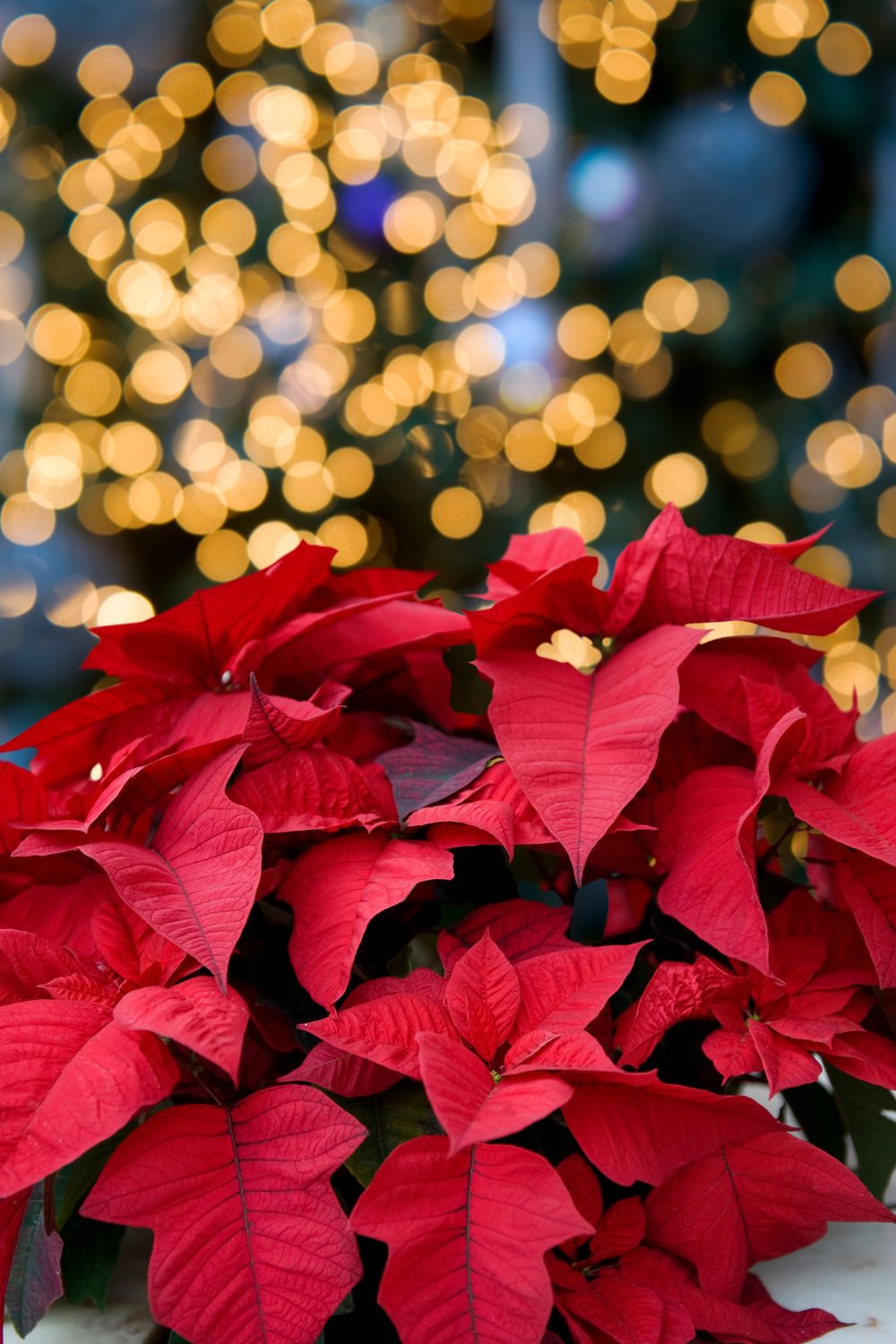

How to Get a Poinsettia to Bloom Again for Christmas
Did you know you can keep your poinsettia after Christmas and get it to produce those beautiful colorful bracts again the following holiday season?
Instead of tossing your poinsettia in the trash once the holidays are over, you can grow it as a houseplant year-round. With the right care and a little bit of planning you can encourage it to develop its colorful red bracts again in time for Christmas.
Getting a poinsettia to rebloom isn’t necessarily difficult, but it does require some patience. The most important part of the process happens in the fall when poinsettias need long, uninterrupted periods of darkness each night.
If you’ve ever wondered how to make a poinsettia turn red again, here’s everything you need to know.
Can You Get a Poinsettia to Bloom Again?
Yes! Poinsettias can be grown and maintained for years.
The colorful parts we typically think of as the poinsettia’s flowers are actually bracts, which are modified leaves. The tiny yellow flowers are located in the center of those colorful bracts.
With proper care, a poinsettia can continue growing after the holidays and can be encouraged to develop colorful bracts again the following year.
The catch?
You have to give the plant the right combination of light and darkness in the fall.
Why Do Poinsettias Change Color?
Poinsettias are short-day plants, which means they respond to the length of the night.
As the days become shorter and the nights become longer in fall, poinsettias naturally begin preparing to flower. As this process happens, the bracts begin changing color.
This is why getting your poinsettia to turn red again isn’t simply a matter of giving it fertilizer or putting it in a sunny window.
The plant needs a specific light schedule.
And this is where things get interesting.

How to Care for a Poinsettia After Christmas
Once the holidays are over, don’t assume your poinsettia is finished.
You can continue caring for it just like you would another houseplant.
Place your poinsettia somewhere with bright, indirect light and continue watering when the soil begins to dry.
Avoid keeping the soil constantly soggy. Poinsettias don’t like sitting in water, so make sure the container has drainage.
Your poinsettia may eventually lose some of its colorful bracts. That’s completely normal.
At this point, the plant is transitioning out of its holiday display and back into a growing phase.
Should You Cut Back a Poinsettia?
After the colorful bracts begin to fade, you can prune your poinsettia to encourage new growth.
Cut the stems back, leaving several healthy buds or nodes on each stem.
Don’t be afraid to prune it. Poinsettias can become quite leggy if they’re allowed to grow without being trimmed.
Pruning also helps encourage a fuller, bushier plant.
Poinsettia Care During Spring and Summer
Once the danger of frost has passed, you can move your poinsettia outdoors if you’d like.
If you live somewhere with cold winters, remember that poinsettias are tropical plants and don’t tolerate freezing temperatures.
Gradually acclimate your plant to outdoor conditions rather than immediately placing it in full sun.
Give it a location with plenty of light and protect it from extreme heat and harsh afternoon sun.
During the growing season, continue watering as needed and fertilize according to the directions for your chosen houseplant fertilizer.
This is when your poinsettia is doing most of its growing.

Pinching Your Poinsettia for a Fuller Plant
If your poinsettia is getting tall or leggy, you can pinch back the growing tips during the growing season.
This encourages branching and can help you create a fuller-looking plant.
Keep in mind that you don’t want to keep pruning it indefinitely.
Eventually, you’ll need to allow the plant to grow so it can prepare for its fall color display.
When Should You Bring a Poinsettia Back Inside?
If you’ve moved your poinsettia outdoors for the summer, pay attention to nighttime temperatures as fall approaches.
Poinsettias don’t like cold temperatures, so bring the plant back indoors before temperatures become too chilly.
This is especially important for gardeners in colder climates.
Once your poinsettia is back indoors, find a bright location where it can continue growing.
Now you’re getting closer to the most important part of the process.
The Secret to Getting a Poinsettia to Turn Red Again
Here’s the part that catches a lot of people off guard.
Starting in the fall, your poinsettia needs long, uninterrupted periods of darkness every night to encourage it to develop colorful bracts.
A common recommendation is approximately 14 hours of uninterrupted darkness each night for about 8–10 weeks.
And when I say dark, I mean DARK.
A lamp, room light, or other artificial light during the dark period can interfere with the process.
This is why growing a poinsettia in a room where the lights are turned on every evening may prevent it from developing the color you’re hoping for.

How to Give a Poinsettia the Darkness It Needs
There are a couple of ways you can handle this.
Option 1: Use a Dark Room
If you have a room that stays completely dark at night, you may be able to use that space.
For example, you could place the poinsettia somewhere that receives plenty of natural light during the day but remains completely dark at night.
The important thing is consistency.
Option 2: Cover the Plant
You can also cover the plant each evening to create the required darkness.
A large cardboard box can work, as can another opaque covering that completely blocks light.
Remove the covering each morning so the plant can receive plenty of light during the day.
The biggest challenge with this method is remembering to do it every single day.
Set a reminder on your phone if you need to!
How Many Hours of Darkness Does a Poinsettia Need?
Aim for approximately 14 hours of uninterrupted darkness every night for about 8–10 weeks.
During the remaining hours of the day, your poinsettia should receive plenty of bright light.
For example, you might place your plant into darkness around 5:00 PM and uncover it around 7:00 AM.
The exact schedule isn’t as important as making sure the plant receives a long, uninterrupted dark period every night.
Consistency is key.
When Should You Start the Darkness Schedule?
If you want your poinsettia to have color around Christmas, you’ll generally want to begin the darkness treatment in the fall.
For a Christmas display, many gardeners begin this process around late September or early October.
The goal is to maintain the long-night schedule for approximately 8–10 weeks.
Poinsettia Reblooming Calendar
| Time of Year | What to Do |
|---|---|
| January | Continue normal houseplant care and provide bright light. |
| February–March | Continue watering as needed. Prune when appropriate to encourage new growth. |
| April–May | Encourage healthy new growth and begin fertilizing during the growing season. |
| June–August | Grow your poinsettia outdoors if desired. Water, fertilize, and pinch back growth to maintain a fuller plant. |
| September | Bring the plant indoors before temperatures become too cold. |
| Late September–October | Begin the long-night/darkness schedule. |
| October–November | Continue providing approximately 14 hours of uninterrupted darkness each night. |
| December | Your poinsettia should begin showing its colorful bracts. |
The exact timing can vary depending on your plant and growing conditions, so don’t panic if your poinsettia doesn’t follow this schedule perfectly.

Why Isn’t My Poinsettia Turning Red?
If your poinsettia isn’t developing red bracts, there are several things that could be happening.
It’s Getting Light During the Dark Period
This is one of the biggest problems.
Even a small amount of artificial light during the required dark period can interfere with the plant’s response to shorter days.
A nearby lamp, television, grow light, porch light, or other source of light may be enough to disrupt the darkness schedule.
You’re Not Providing Enough Darkness
Your poinsettia needs a long period of darkness each night.
Leaving it in a room where the lights are regularly turned on late into the evening can prevent it from receiving the uninterrupted darkness it needs.
The Darkness Schedule Started Too Late
Poinsettias need several weeks of long nights to develop their colorful bracts.
If you wait until December to start the process, you’re probably too late for a Christmas display.
You’re Not Giving It Enough Daytime Light
Darkness is only part of the equation.
Your poinsettia also needs good light during the day so it can remain healthy and continue developing.
Think of it as a light-and-darkness schedule, not simply a “put the plant in a closet” situation.
Your Plant Needs More Time
Don’t give up too quickly.
The color change doesn’t necessarily happen overnight. Give your poinsettia time and continue following the schedule consistently.
Can Poinsettias Be Grown Outdoors?
Yes, but only if your climate is warm enough.
Poinsettias are tropical plants and can grow outdoors year-round in frost-free climates.
In colder areas, like Ohio, they need to be protected from freezing temperatures and brought indoors before cold weather arrives.
If you live in a colder climate, think of your poinsettia as a seasonal outdoor plant during the warm months and a houseplant during the winter.
Are Poinsettia Flowers Actually Flowers?
Technically, the colorful red, pink, white, or other colorful portions aren’t the flowers.
They’re called bracts.
The actual flowers are the small structures found in the center of the colorful bracts.
The bracts change color as the plant responds to the shorter days and longer nights of fall.
So when we say we’re trying to get a poinsettia to “bloom,” we’re really talking about encouraging the plant to produce its colorful holiday display.
How Long Do Poinsettias Live?
With proper care, poinsettias can live for several years.
They’re often treated as disposable holiday plants, but there’s no reason you have to throw yours away after Christmas.
Growing one year after year can actually be a fun houseplant project.
And honestly, I love the idea of getting more than one season out of a plant that you’ve already purchased.
Frequently Asked Questions
Can I get my poinsettia to turn red again?
Yes. Poinsettias can be encouraged to develop colorful bracts again by providing appropriate growing conditions and a consistent long-night period during the fall.
How long should a poinsettia be in the dark?
A commonly recommended schedule is approximately 14 hours of uninterrupted darkness each night for 8–10 weeks.
Can a poinsettia rebloom every year?
Yes. With proper care, poinsettias can be maintained as perennial plants and encouraged to produce colorful bracts in subsequent years.
Does a poinsettia need complete darkness?
During the darkness period, it should receive as little light as possible. Artificial light can interfere with the plant’s response to the long nights.
Why is my poinsettia green?
Green bracts don’t necessarily mean your plant is unhealthy. Poinsettias develop their colorful bracts in response to shorter days and longer nights.
Can I keep my poinsettia as a houseplant?
Absolutely! Poinsettias can be kept indoors year-round as long as they receive appropriate light, water, and growing conditions.
Final Thoughts
There’s no reason your poinsettia has to end up in the trash after Christmas.
With a little patience, you can keep it growing throughout the year and encourage it to put on another colorful show the following holiday season.
The biggest thing to remember is that fall is when the magic happens.
Give your poinsettia plenty of light during the day, long uninterrupted darkness at night, and stay consistent with the schedule.
It does take a little work, but I think there’s something pretty satisfying about watching a plant you kept alive all year suddenly start changing color again just in time for Christmas.
So the next time someone tells you to throw away your poinsettia after the holidays, you can tell them:
Keep that plant! You might just get another Christmas out of it.
Want To Learn More?
IF YOU LIKE THIS POST
You might also like these:
We’d love to hang out with you on our social channels. You can subscribe to our blog and find us on Facebook, Youtube, Instagram and Pinterest! Feel free to reach out if you have any plant questions!
Affiliate Disclosure: This post may contain affiliate links. If you make a purchase through one of these links, I may earn a small commission at no additional cost to you. I only recommend products I personally use, trust, or believe will bring value to my readers. Thank you for supporting The Thrifted Planter!

The Thrifted Planter
Ciearra is a gardener and houseplant enthusiast of over 10 years! She has been growing indoors and outdoors. Supplying food for her family and beautifying her home with annuals, perennials and houseplants! Ciearra is passionate about sharing her knowledge of plant care with anyone who needs help or a quick plant growth tip! When she’s not blogging you can find her tending to her chickens, dogs and hanging out with her family
Nestera Chicken Coop

Botanical Interest
Garden Tower Project
Vego Gardens

Botanical Interests
Amazon Favorites!

Hoselink
Web Stories


